
Turning roast turkey drippings into a perfect gravy is one of those kitchen skills that can elevate your holiday meals from ordinary to extraordinary. I still remember the first time I made gravy using the drippings from a beautifully roasted turkey; it was a revelation. The rich, savory flavors pooled at the bottom of the roasting pan transformed into a silky sauce that brought everything to life. This easy method admirably captures those robust flavors while ensuring a smooth and glossy finish. Plus, it requires minimal effort with maximum payoff, making it ideal for those busy holiday feasts or even an ordinary weeknight dinner.
What makes this gravy particularly special is its deep, umami flavor combined with a velvety texture. The essence of the turkey drippings enriches the gravy, lending it a character that store-bought options simply can’t match. This is the perfect sauce to drizzle over turkey slices, mashed potatoes, or even stuffing, instantly enhancing your meal’s satisfaction. It’s a dish made for sharing; every bite sung with warmth, tradition, and love, making it a staple for family gatherings and festive occasions.
Why you’ll love this gravy
- It’s an easy way to make use of every part of the turkey.
- Elevates your meal with deep, delicious flavor.
- Simple process that requires minimal ingredients.
- Can be made ahead and stored for later use.
- Leaves behind fewer dishes compared to complex sauces.
“This gravy is the heart of our holiday dinner; it’s rich and full of flavor!”
Step-by-step overview
Making gravy from turkey drippings is a straightforward process that turns leftover liquid into a flavorful sauce. By whisking together the drippings with flour to create a roux, you’ll thicken the mixture while adding a touch of seasoning.
What ingredients do I need for gravy?
- Turkey drippings
- All-purpose flour
- Chicken or turkey broth (optional)
- Salt and pepper to taste
Ingredient notes & swaps
- Turkey drippings: These are the flavorful liquid and fat left in the pan after roasting.
- All-purpose flour: This will thicken your gravy; cornstarch can be used instead for a gluten-free option.
- Broth: Using broth in addition to drippings adds depth; homemade or store-bought works.
- Salt and pepper: Adjusting seasoning at the end ensures a balanced flavor.
How do I make gravy step-by-step?
To make gravy from turkey drippings, start by collecting your drippings from the roaster. If it’s too greasy, skim off some of the fat before continuing with the process. You’ll be whisking together your flour and drippings to create a roux, then adding additional liquid as needed for the desired consistency.
- Gather the turkey drippings in a saucepan over medium heat.
- If too much fat floats atop, skim off some for a balanced flavor.
- Whisk in an equal amount of flour to the drippings, cooking for 1-2 minutes until lightly browned.
- Slowly pour in turkey or chicken broth, whisking constantly to avoid lumps.
- Bring to a simmer and continue whisking until the gravy thickens. Season with salt and pepper to taste.
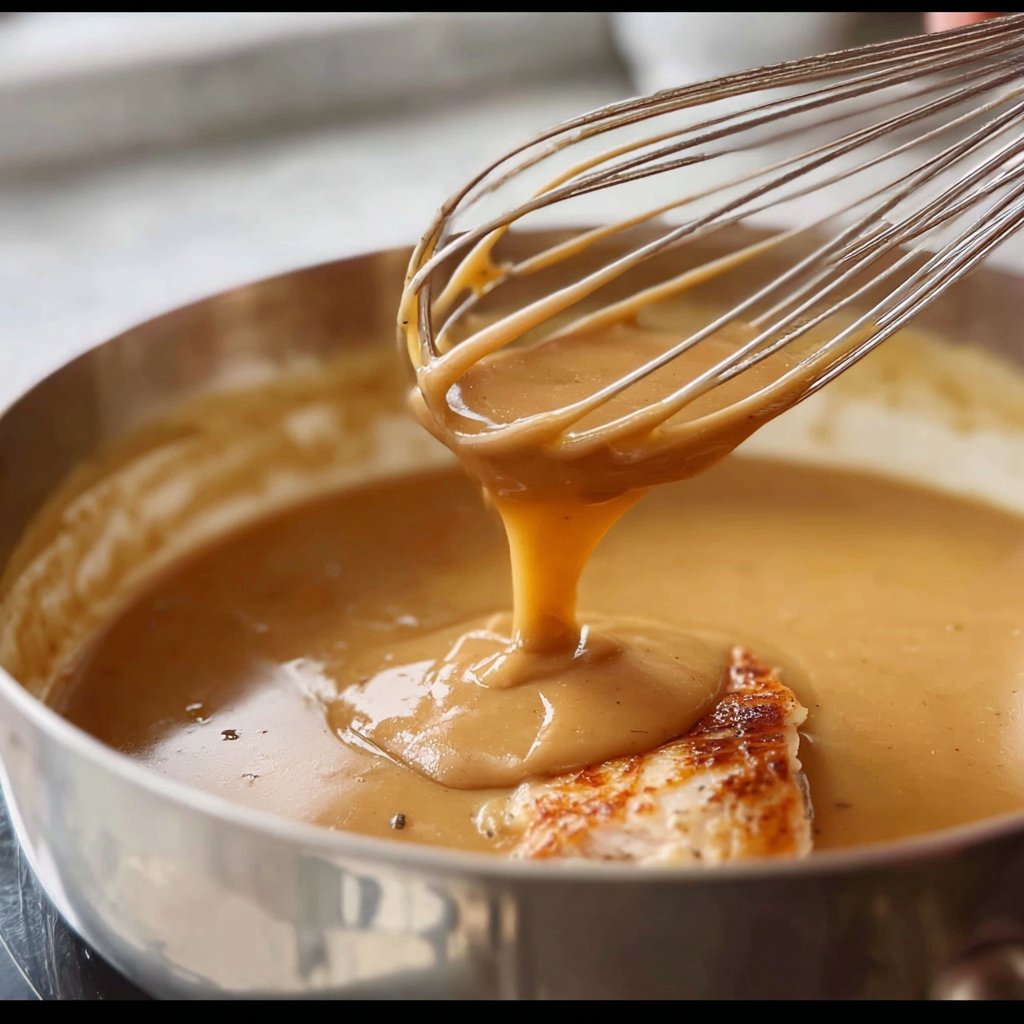
- Pro Tip: Ensure a smooth texture by whisking vigorously to prevent lump formation. Look for a silky consistency and a slightly thickened feel.
Helpful cooking tips
- Use a whisk: This tool helps to combine ingredients smoothly, ensuring a lump-free gravy.
- Heat gently: Keep the heat moderate to avoid scorching the roux as it cooks.
- Adjust thickness: For thicker gravy, add more flour; for thinner, incorporate more broth.
- Make it ahead: Gravy can be prepared in advance and reheated. Just add a splash of broth to loosen it up if it thickens too much.
- Add flavors: For a touch of sophistication, consider adding fresh herbs like thyme or rosemary into the gravy as it simmers.
How should I serve it?
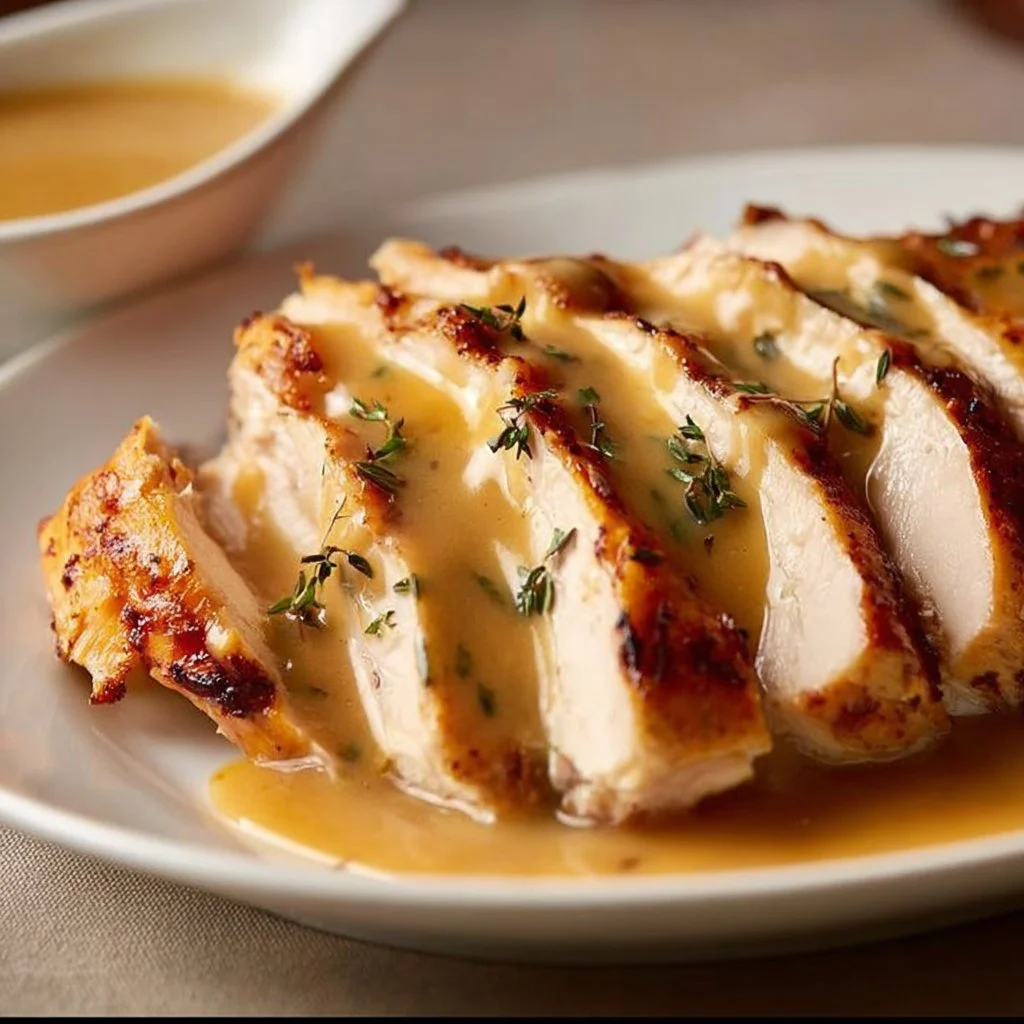
Gravy is best served warm over turkey slices, mashed potatoes, or stuffing for a well-rounded meal. You might also consider pairing it with roasted vegetables or using it to enhance a turkey sandwich made with leftover meat. For a lovely presentation, drizzle the gravy over the turkey and garnish with a sprinkle of fresh herbs.
Can I make it ahead? How do I store and reheat it?
Absolutely, you can make gravy ahead of time! After it cools, store it in an airtight container in the refrigerator for up to three days or freeze it for longer storage. When you’re ready to serve, reheat it gently on the stove, adding a little broth to return it to your desired consistency.
Remember to refrigerate leftovers within two hours after serving to keep food safety in check. Reheat until steaming hot before serving again.
How do I fix common issues?
If you’re dealing with common gravy pitfalls, here are some quick fixes:
- If too thick: Stir in additional broth or water gradually to reach the desired consistency.
- If too thin: Mix a tablespoon of flour with a small amount of cold broth to create a slurry, then whisk it into the gravy over heat until thickened.
- If bland: Add more salt and pepper; consider a splash of soy sauce or Worcestershire for depth.
- If greasy: Skim off excess fat from the surface using a spoon.
- If lumpy: Blend the gravy in a blender for a smooth sauce after cooking.
What variations can I try?
Consider enhancing the flavor of your gravy with a few easy twists:
- Add herbs: Fresh herbs like sage or thyme can give a garden-fresh taste.
- Onion or garlic: Sauté minced onion or garlic in the fat before adding flour for added depth.
- Mushrooms: Incorporating sautéed mushrooms can add a lovely earthiness to the flavor.
- Wine or sherry: A splash of white wine or sherry can introduce acidity and brightness but should be added before the broth.
FAQs
Can I use turkey drippings that were frozen?
Yes, you can use frozen turkey drippings! Just thaw them in the fridge overnight and then reheat in a saucepan before making your gravy.
What if my gravy has a grainy texture?
If your gravy turns out grainy, it’s often due to insufficient mixing or cooking. Whisk it vigorously, or blend it until smooth.
Can I use a different type of flour?
Absolutely, you can substitute with cornstarch or a gluten-free flour blend. Just remember to adjust the amounts as cornstarch thickens differently than all-purpose flour.
What’s the best way to thicken gravy?
The classic method is to use a roux of flour and fat, but you can also use cornstarch mixed with cold water or broth as an alternative.
How can I add flavor to my gravy without drippings?
You can use chicken or vegetable broth and enhance it by sautéing aromatics like onion, garlic, or herbs in the fat used for cooking other proteins or vegetables.
By mastering the technique of turning roast turkey drippings into a perfect gravy, you’ll be rewarded with a sauce that not only enhances your meal but also brings joy and comfort to your dining experience. Every simmer, every whisk, and every aromatic note combine to create a culinary hug that everyone at the table will cherish.
Turkey Gravy
Ingredients
Method
- Gather the turkey drippings in a saucepan over medium heat.
- If too much fat floats atop, skim off some for a balanced flavor.
- Whisk in an equal amount of flour to the drippings, cooking for 1-2 minutes until lightly browned.
- Slowly pour in turkey or chicken broth, whisking constantly to avoid lumps.
- Bring to a simmer and continue whisking until the gravy thickens. Season with salt and pepper to taste.