
There’s something undeniably comforting about homemade gravy. It evokes memories of family gatherings, warm kitchens, and the savory aroma of a meal coming together. To create that feeling in your home, nothing beats the satisfaction of making gravy from scratch using rich meat drippings. It’s one of those delightful elements that can take a simple dish to a whole new level, enhancing not just flavor but also the whole dining experience. With just a few simple ingredients—meat drippings, flour, broth or stock, salt, and pepper—you’re on your way to something truly special.
The smooth, velvety texture of homemade gravy is simply unmatched. Whether drizzled over mashed potatoes, smothering roasted meats, or complementing a savory pie, it adds depth and richness that store-bought options just can’t replicate. And it’s easy to make! In about 15 minutes or less, you can whip up a delicious batch that will impress your family and friends. This recipe is perfect for any occasion, whether it’s a holiday feast or a cozy weeknight dinner.
Why you’ll love this
- Rich, savory flavor that elevates any meal.
- Fast and straightforward: a simple method that anyone can master.
- Versatile: perfect for various dishes, from meats to vegetables.
- Budget-friendly: utilizes leftover drippings, minimizing waste.
- Make-ahead option: easy to prepare in advance and reheat.
“This gravy is so simple yet tastes incredible!”
Preparing it: quick look
Creating homemade gravy is all about the drippings. Start by collecting the flavorful juices left in your pan after cooking meat. With just a bit of flour, broth or stock, and seasoning, you’ll have a deliciously rich sauce ready to serve. The process is quick, and the result is a warm, comforting addition to your meal.
What you’ll need for Homemade Gravy
- Meat drippings
- Flour
- Broth or stock
- Salt
- Pepper
Ingredient notes & swaps
- Meat drippings: The juice from any cooked meat, such as beef, chicken, or turkey, serves as the flavorful base.
- Flour: Used to thicken the gravy; can be substituted with cornstarch for a gluten-free option.
- Broth or stock: Choose beef, chicken, or vegetable stock based on your gravy’s intended flavor. Homemade stock yields the best results but store-bought is a fine shortcut.
Step-by-step instructions
Making homemade gravy is a delightful process that requires only a few simple steps.
- In a saucepan, collect the drippings from cooked meat. This is where your flavor begins.
- Place the saucepan over medium heat, allowing the drippings to warm up.
- Sprinkle flour into the drippings and whisk continuously to form a roux, cooking for about 1-2 minutes until it turns a light golden color.
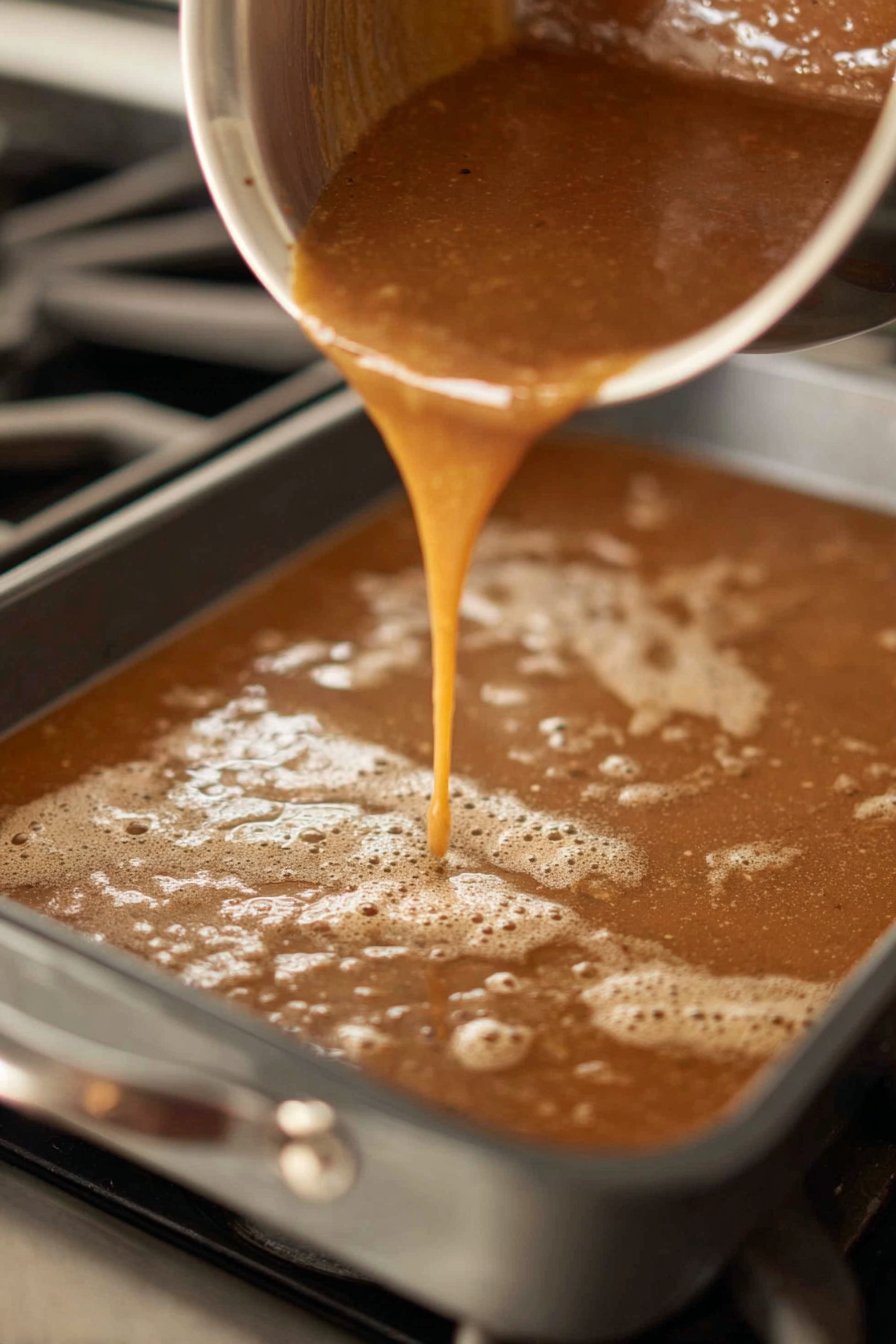
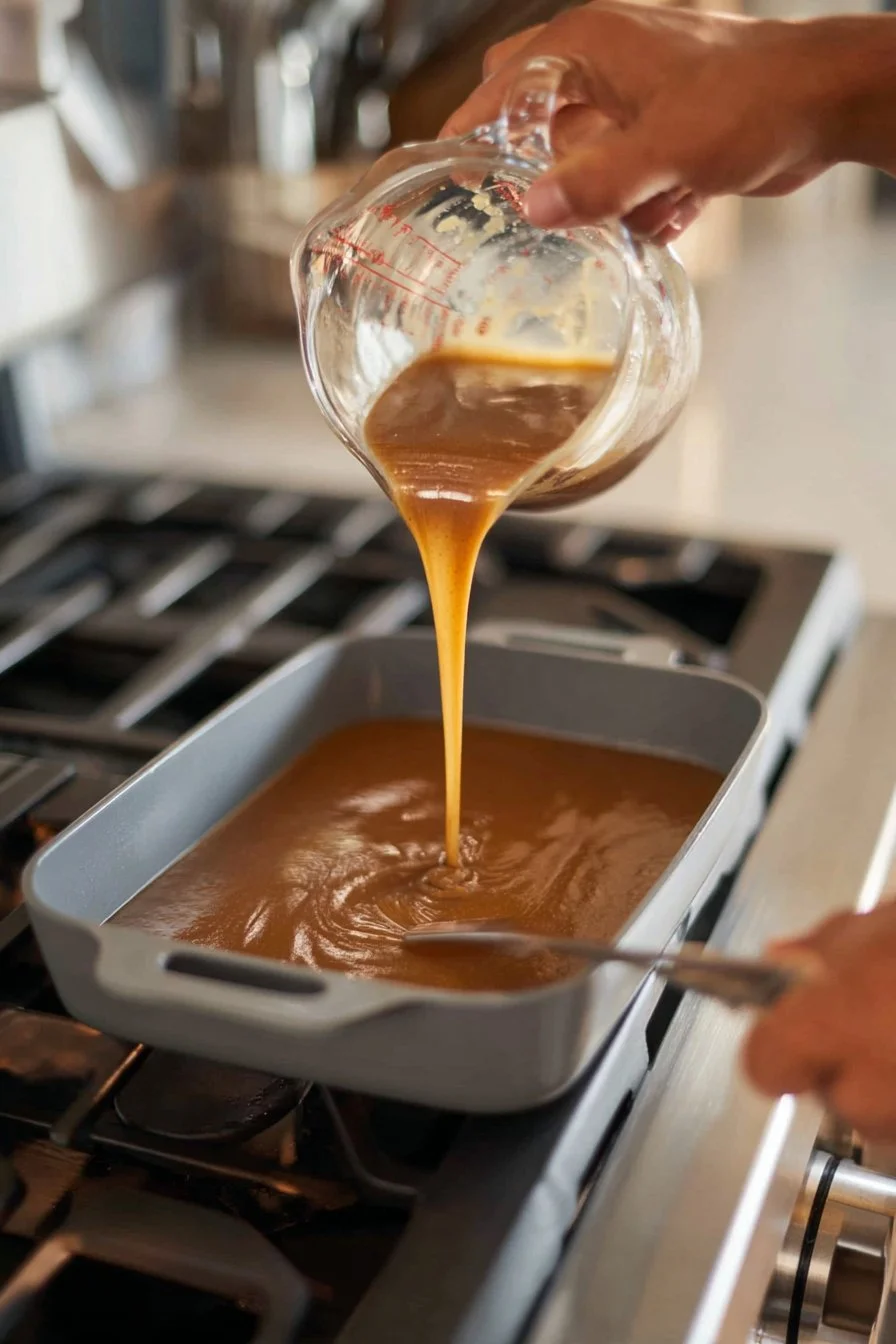
- Gradually add broth or stock while continuing to whisk until the mixture thickens, creating a luscious sauce.
- Season with salt and pepper to taste, adjusting as needed.
- Serve hot over your favorite dishes, and watch everyone delight in the flavor!
Pro Tip: For a smoother gravy, whisk constantly while adding the stock to prevent lumps.
As you whisk, pay attention to the smell—a fragrant, nutty aroma signals that your roux is on track. You want it to be golden, not browned, which will give your gravy a lovely flavor without bitterness.
Helpful cooking tips
- Allow the drippings to cool slightly before adding flour to prevent clumping.
- Use a whisk instead of a spoon to keep the gravy smooth while incorporating the flour.
- For a deeper flavor, consider deglazing the pan with a bit of wine or additional broth after cooking the meat, scraping up any crispy bits before adding to the gravy.
Best ways to enjoy it
Homemade gravy is best served warm, poured generously over mashed potatoes, roasted vegetables, or fried chicken. It can also be used as a sauce for biscuits or poured over meatloaf. A sprinkle of fresh herbs like parsley or thyme can elevate the presentation and flavor profile, adding a pop of color and freshness against the rich backdrop of the gravy.
Saving leftover gravy
Any leftover gravy should be stored properly to maintain its deliciousness. Place it in an airtight container and refrigerate for up to two days. To reheat, simply warm in a saucepan over low heat; you may need to add a splash of broth to bring it back to the desired consistency.
If you want to save it longer, homemade gravy freezes well too. Just pour it into freezer-safe containers or zip-top bags, leaving space for expansion. When you’re ready to use it, thaw it in the fridge overnight and reheat gently.
Refrigerate leftovers within 2 hours; reheat until steaming hot.
How to fix common issues
If your gravy isn’t coming together quite right, here are a few common fixes:
- Too thick: Gradually whisk in a little more broth or stock until you reach your desired consistency.
- Too thin: Make a slurry by mixing equal parts flour and cold water, then whisk that into the gravy to thicken.
- Bland flavor: Add more salt or consider incorporating additional seasonings like garlic powder or onion powder for extra depth.
- Lumps: Use a fine mesh strainer to separate out any lumps for a smoother texture.
Creative twists
Homemade gravy is incredibly adaptable. Here are a few ways to mix it up:
- Herbed gravy: Add fresh rosemary or thyme while cooking to infuse the gravy with aromatic flavors.
- Mushroom gravy: Sauté chopped mushrooms in the drippings before whisking in flour for a rich, earthy variation.
- Spicy variation: Incorporate a dash of cayenne or crushed red pepper for a bit of heat, perfect for standing up to hearty meats.
Common questions
Can I make gravy without drippings?
Yes! You can create gravy using just broth or stock combined with flour, whisking in flavors like soy sauce or Worcestershire for depth.
How do I store my homemade gravy?
Homemade gravy can be stored in an airtight container in the fridge for up to two days or frozen for longer storage.
Can I use cornstarch instead of flour for thickening?
Definitely! Mix cornstarch with an equal amount of cold water to create a slurry, then whisk it into the gravy to thicken.
Why did my gravy turn out lumpy?
Lumps often happen if flour is added directly to the liquid without incorporating it into a roux first. Whisking continuously while adding the stock helps maintain a smooth consistency.
How can I enhance the flavor of my gravy?
Always taste your gravy as you cook. You can enhance the flavor with additional seasonings, including garlic powder, onion powder, or herbs. A splash of soy sauce or vinegar can also deepen the flavor profile beautifully.
Homemade gravy fits perfectly into any meal, bringing warmth and a touch of love to the table. The best part is its simplicity; anyone can achieve that luscious, satisfying sauce with minimal effort. Whether you’re smothering it over classic comfort foods or creating a gourmet twist, this gravy is sure to become a staple in your kitchen.
Homemade Gravy
Ingredients
Method
- In a saucepan, collect the drippings from cooked meat.
- Place the saucepan over medium heat, allowing the drippings to warm up.
- Sprinkle flour into the drippings and whisk continuously to form a roux, cooking for about 1-2 minutes until it turns a light golden color.
- Gradually add broth or stock while continuing to whisk until the mixture thickens.
- Season with salt and pepper to taste, adjusting as needed.
- Serve hot over your favorite dishes.