
Making your own pantry staples can transform your cooking experience, empowering you to create flavorful meals from scratch. I remember the first time I tried this; I was astonished by how easy and satisfying it was to make staples that I usually purchased ready-made. Crafting these essentials not only enhances the taste of your dishes but also saves you money and reduces the waste that often comes with store-bought items.
Whether you want creamy nut butter for spreading, delightful sauces, or simple bread to accompany your meals, making these items at home adds a personal touch to your cooking. This guide offers straightforward steps to help you succeed in preparing delicious pantry staples that cater to your taste and dietary needs.
Why you’ll love this
- You can customize flavors to match your preferences.
- It’s often cheaper than buying pre-packaged items.
- You have control over ingredients, ideal for allergies.
- Fresh versions typically taste much better than store-bought.
- Fewer additives and preservatives in homemade options.
“Making my own staples has completely changed the way I cook!”
Step-by-step overview
Creating your own pantry staples starts with gathering the right ingredients. You’ll then follow a relatively simple process that involves combining, blending, and storing. Each staple requires specific methods, whether it’s the emulsifying technique for sauces or the grinding process for butters. Once you master the initial methods, you’ll be amazed at the variety of items you can produce in your kitchen.
Key ingredients
- Whole nuts (for nut butters)
- Olive oil or vegetable oil (for emulsifying)
- Fresh herbs and spices (for flavor)
- Water (for consistency in sauces)
- Bread flour (for baking bread)
Ingredient notes & swaps:
- Use any nut for nut butter; almonds or peanuts are popular.
- Swap olive oil with other oils based on your taste or health preference.
- Fresh herbs can often be replaced with dried ones if necessary.
- Water can be substituted with stock for richer flavors in sauces.
- Different flours can be used for bread depending on gluten content.
Cooking method
Making your pantry staples is generally straightforward, and the steps will vary slightly depending on what you are preparing. Gather your ingredients, and follow these steps:
- Select your main ingredient (e.g., nuts for nut butter or herbs for sauces).
- Place the ingredient in a food processor or blender.
- Add any oils or liquids to achieve the desired consistency.
- Blend until smooth or well-combined, periodically scraping down the sides.
- Pro Tip: For nut butters, let the processor run for a couple of minutes to fully blend and create a creamy texture.
- Taste and adjust seasoning as needed.
- A good nut butter should be creamy with a hint of the natural nut flavor.
- Transfer your staple to a clean jar or container.
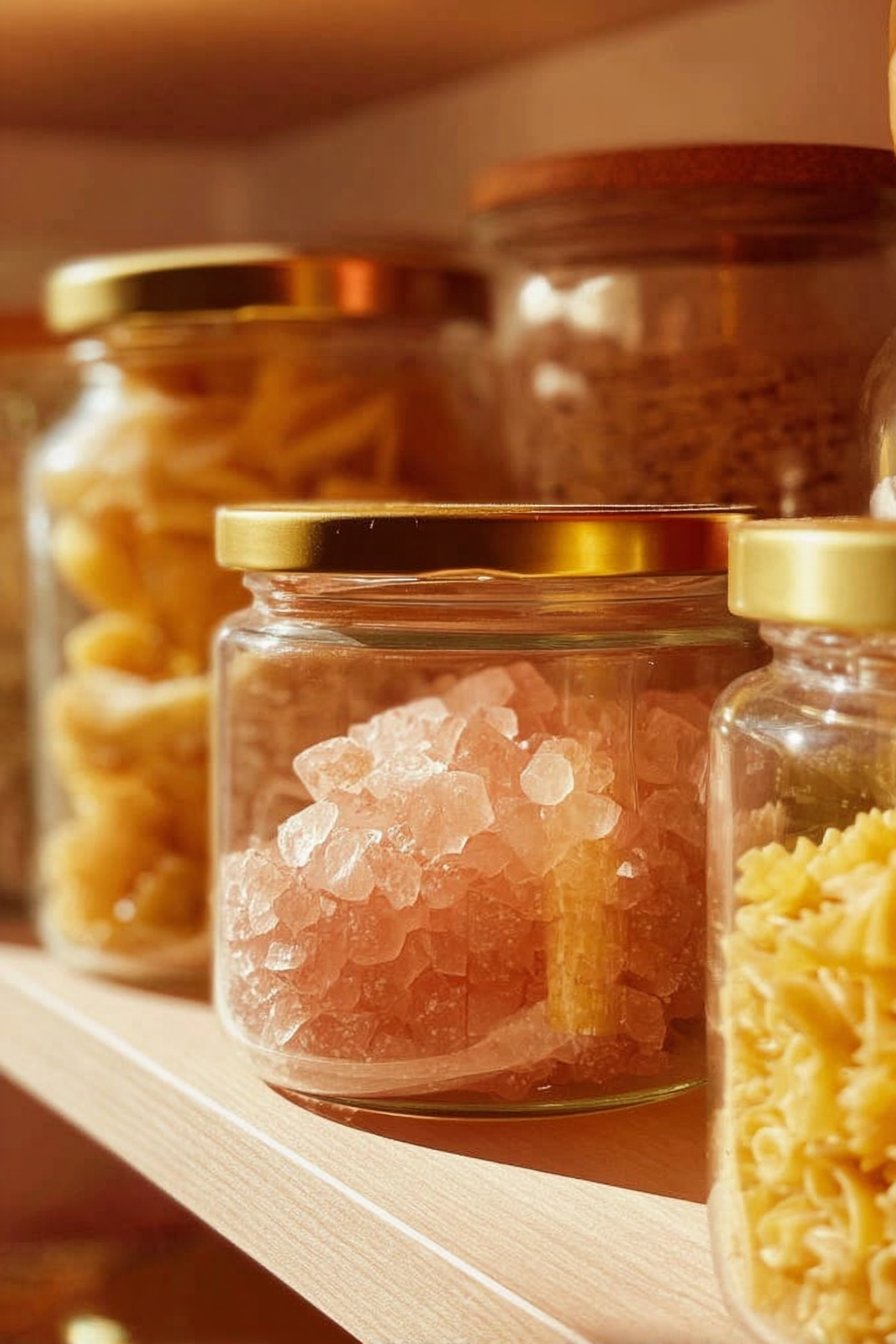
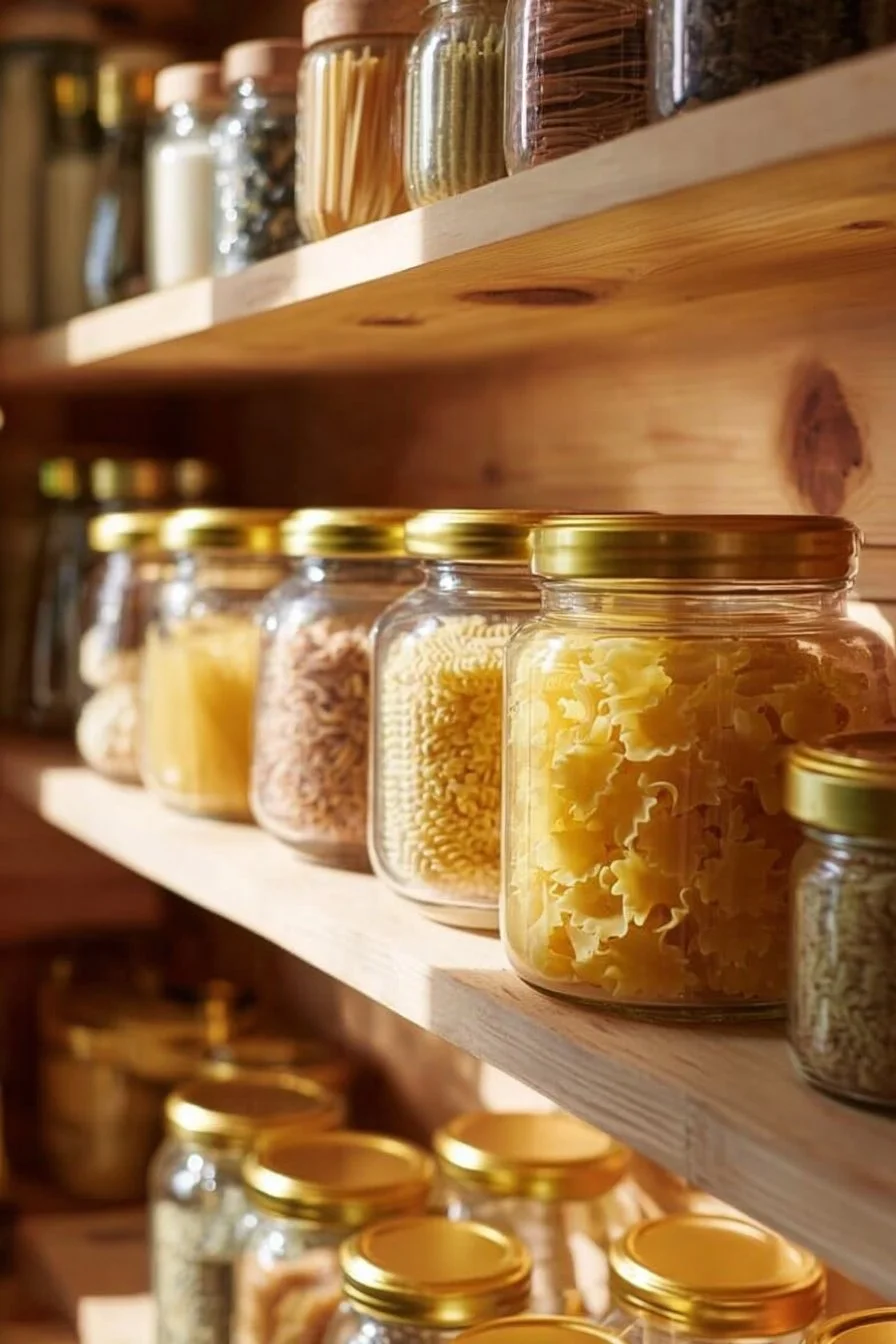
- Select glass jars for storage to maintain freshness.
Helpful cooking tips
- Soak nuts overnight before blending for a creamier texture.
- Toast spices or nuts lightly before use to enhance flavor.
- Label and date your homemade staples for easy organization.
- Use ice cube trays to freeze surplus sauces for quick meal prep.
- Experiment by adding different herbs or spices to varied dishes.
Serving suggestions
Enjoy your homemade staples in various ways. Nut butters make excellent spreads on toast topped with sliced bananas or drizzled honey. Use homemade sauces to dress salads or as dips for fresh vegetables. Bread pairs wonderfully with soups or can be served warm with herb-infused oils for a delightful appetizer.
Storage & reheating tips
Store your pantry staples in the refrigerator to maintain freshness; this is especially important for nut butters and homemade sauces. Most staples can last a week or two in the fridge, while some (like nut butters) may last longer. For sauces, consider freezing them in small portions for easy use in future meals.
Refrigerate leftovers within 2 hours; reheat until steaming hot.
How to fix common issues
If your homemade staples aren’t turning out as expected, don’t worry. Here are some common fixes:
- If nut butter is too thick, add a small amount of oil or water to thin.
- For sauces lacking flavor, try adding a bit more seasoning or acidity (like vinegar or lemon).
- If your bread is too dense, ensure you’re properly measuring flour, and consider incorporating vital wheat gluten.
- If your sauce separates, whisk it vigorously to re-emulsify or heat it gently while stirring.
Recipe variations
Now that you know the basics, here are some ideas to get creative with your pantry staples:
- Add cocoa powder and sweeteners to nut butter for a chocolate version.
- Mix in fruits or vegetables to your sauces for added health benefits.
- Experiment with different herbs in your homemade bread for varied flavor profiles.
- For a sweet twist, incorporate honey or maple syrup into your butters or sauces.
Common questions
How long does homemade peanut butter last?
Homemade peanut butter can last up to two weeks in the refrigerator. If properly stored, it can remain fresh for longer when frozen.
Can I make sauces in bulk?
Absolutely! Making sauces in larger quantities allows you to freeze them in portions for later use. Just thaw and reheat when needed.
What’s the best way to store homemade bread?
Wrap cooled bread in plastic wrap or store in an airtight container to keep it fresh. For longer storage, you’ll want to freeze it.
How do I adjust flavors in sauces?
If a sauce is too tangy, balance it with a touch of sweetness. If it’s bland, a bit of salt or acid, like vinegar or lemon juice, can enhance flavors significantly.
What if my nut butter feels gritty?
If your nut butter is gritty, continue processing it longer. The friction will help break down the nuts until they reach a smoother consistency.
Making your own pantry staples enriches your kitchen repertoire and allows for creativity. Each time you experiment with new flavors and techniques, you’ll discover a deeper connection to your ingredients and a greater appreciation for the art of cooking.
Pantry Staples
Ingredients
Method
- Gather your ingredients based on the pantry staple you are making.
- Select the main ingredient (e.g., nuts for nut butter or herbs for sauces).
- Place the main ingredient in a food processor or blender.
- Add any oils or liquids needed for consistency.
- Blend until smooth, scraping down the sides as necessary.
- Taste and adjust the seasoning based on preference.
- Transfer your finished staple to a clean jar or container.
- Refrigerate or freeze for freshness.