
Making homemade Irish soda bread has become a cherished tradition in my house, especially during the lively celebrations of St. Patrick’s Day. This recipe not only brings a delightful aroma to the kitchen but also offers the warm, comforting feeling of nostalgia. When I bake this bread, memories of sharing slices with family and friends at festive gatherings flood back—moments filled with laughter and good cheer. The best part? This traditional Irish soda bread is easy to whip up, making it an accessible treat for anyone looking to bring a bit of Irish tradition into their home baked goods.
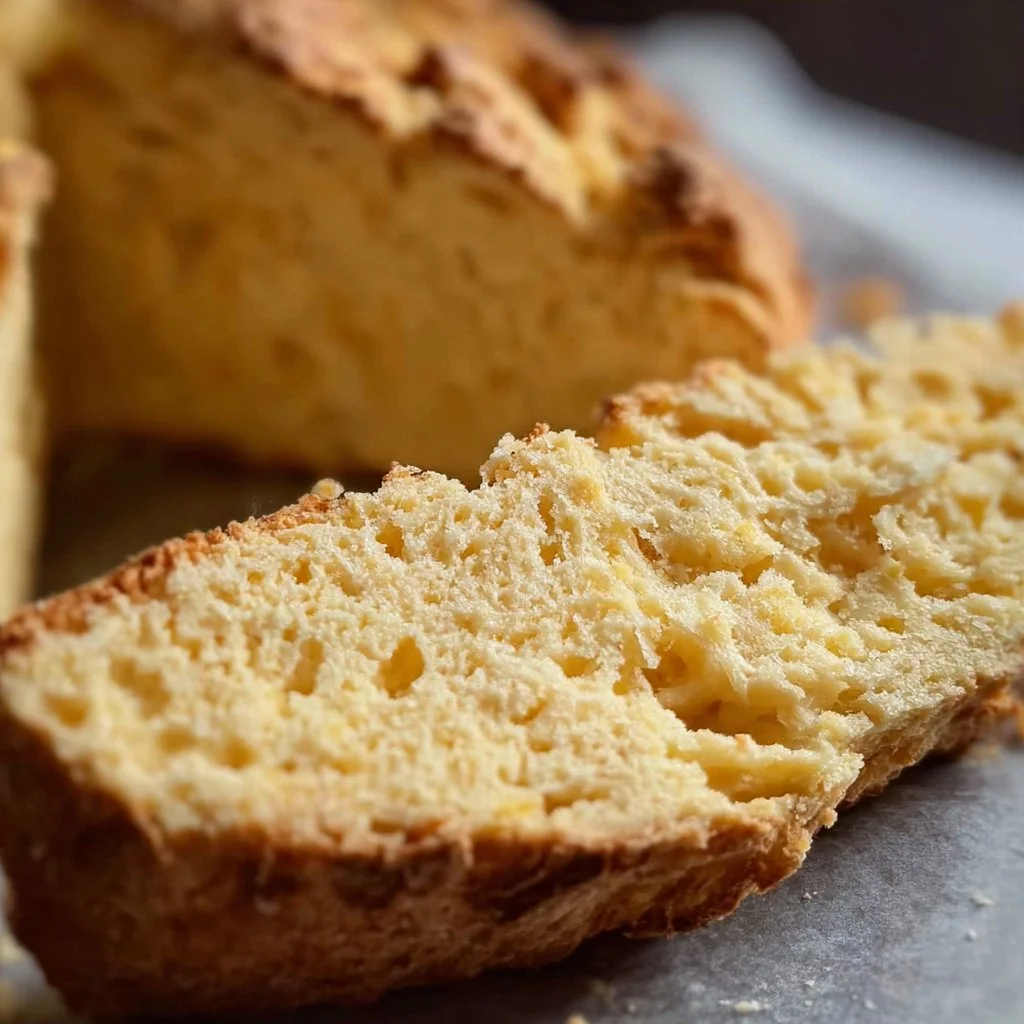
What truly sets this soda bread apart is its rustic texture and rich flavor profile. The combination of tangy buttermilk and baking soda creates a unique leavening process, giving the bread its characteristic crumbly crust and tender interior. It’s perfect as a side to a hearty soup or stew, or simply enjoyed with butter and jam. Whether you’re Irish, have Irish roots, or just enjoy this simple, yet delicious bread, it’s a must-have for your St. Patrick’s Day celebrations.
Why you’ll love this
- Quick to prepare with little hands-on time.
- Unique tangy flavor from buttermilk.
- Moist and soft crumb texture.
- Few ingredients means fewer dishes to wash.
- Perfect for breakfast, lunch, or dinner gatherings.
"Tastes incredible and so simple to make."
Step-by-step overview
Making Irish soda bread is a straightforward process. You’ll mix the dry and wet ingredients, knead the dough minimally, shape it into a round loaf, and score the top before baking. The result is a golden loaf that’s crusty on the outside and soft on the inside—perfect for any occasion.
What you’ll need
- 4 cups all-purpose flour
- 1 teaspoon baking soda
- 1 teaspoon salt
- 1 ¾ cups buttermilk
Ingredient notes & swaps:
- All-purpose flour: Can substitute with whole wheat for added fiber, though it may change the texture.
- Buttermilk: Mix regular milk with a tablespoon of vinegar or lemon juice if buttermilk is unavailable.
- Baking soda: Essential for the bread’s rise; be cautious not to substitute with baking powder.
Directions to follow
To create a perfect loaf of Irish soda bread, follow these simple steps:
- Preheat your oven to 425°F (220°C).
- In a large bowl, sift together the flour, baking soda, and salt.
- Create a well in the center of the dry mixture, then gradually pour in the buttermilk.
- Stir with a wooden spoon until the dough starts to come together.
- Turn the dough onto a floured surface and knead gently just until combined—about 30 seconds. Avoid over-kneading, as this will create a dense loaf.
- Shape the dough into a round loaf and place it on a baking sheet lined with parchment paper.
- Score a deep cross on the top of the loaf with a sharp knife; this helps the bread rise evenly.
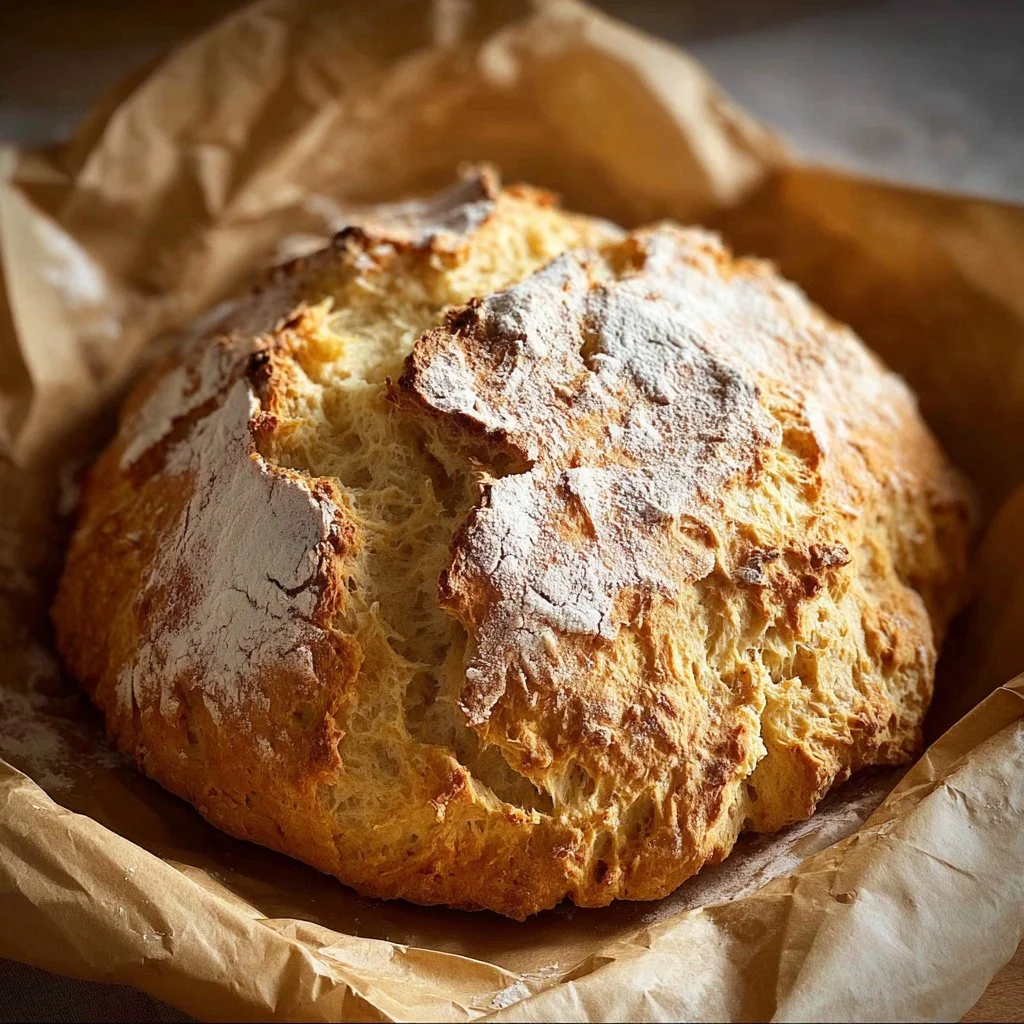
- Bake for 30-35 minutes, or until the top is golden brown and the bread sounds hollow when tapped on the bottom.
Pro Tip: If you want the bread to have an extra crispy crust, place a shallow pan of water in the oven while it bakes to create steam.
Visual cues for doneness include a golden brown color and a crusty exterior. You should also hear a hollow sound when tapping the bottom of the loaf.
Helpful cooking tips
- Always use fresh baking soda; if uncertain, test its potency by adding a small amount to vinegar; it should fizz if active.
- For added flavor, consider incorporating caraway seeds or raisins into the dough.
- Don’t skip the scoring step; it’s vital for even baking and gives the bread a traditional look.
What to serve it with
This traditional Irish soda bread pairs beautifully with a wide variety of dishes. Consider serving it alongside a robust beef stew or a creamy potato leek soup. You can also enjoy it with a generous spread of butter and homemade jam as a delightful breakfast option. A slice topped with honey or a flavorful cheese can transform it into a perfect snack any time of day.
Storage & reheating tips
To keep your homemade Irish soda bread fresh, store it in an airtight container at room temperature for up to 2 days. For longer storage, slice and freeze the loaf, placing parchment paper between slices for easy access later. Simply reheat in the oven or toaster for a few minutes until warmed through.
If your loaf is topped with dairy or ingredients like cheese, remember to refrigerate leftovers within 2 hours; reheat until steaming hot.
How to fix common issues
If your soda bread turns out dry, it may be due to over-kneading or too much flour. Be gentle during the kneading process and keep your flour measurements precise. If it’s too dense, try increasing the amount of buttermilk next time, as this can help with texture. A soggy loaf usually indicates underbaking; ensure that it cooks thoroughly and sounds hollow when tapped.
Recipe variations
Feel free to experiment with this basic Irish soda bread recipe. Adding in herbs like rosemary or thyme can elevate its flavor profile. For a touch of sweetness, mix in dried fruit such as currants or cranberries. If you’re feeling adventurous, consider using an infused oil instead of plain oil for an extra depth in flavor, like garlic or rosemary-infused oil (note these are optional and not included in the original recipe).
Common questions
Can I make Irish soda bread without buttermilk?
Yes, you can substitute regular milk mixed with a tablespoon of vinegar or lemon juice to mimic buttermilk’s tangy flavor.
How do I know when my bread is done?
Look for a golden-brown crust, and tap the bottom of the loaf; it should sound hollow. This indicates that the bread is cooked through.
Can I freeze leftover soda bread?
Absolutely! Slice the bread and wrap it well before freezing to preserve its freshness.
What should I do if my soda bread is too crumbly?
If the texture is too crumbly, it might be due to not enough moisture. Try adding a bit more buttermilk next time or be mindful of how much flour you use while kneading.
Is Irish soda bread traditional for St. Patrick’s Day only?
While soda bread is often associated with St. Patrick’s Day, it’s a beloved staple in Irish cuisine enjoyed year-round.
Enjoy making this homemade Irish soda bread for St. Patrick’s Day and beyond; it’s sure to become a cherished favorite in your recipe collection!
Irish Soda Bread
Ingredients
Method
- Preheat your oven to 425°F (220°C).
- In a large bowl, sift together the flour, baking soda, and salt.
- Create a well in the center of the dry mixture, then gradually pour in the buttermilk.
- Stir with a wooden spoon until the dough starts to come together.
- Turn the dough onto a floured surface and knead gently just until combined—about 30 seconds.
- Shape the dough into a round loaf and place it on a baking sheet lined with parchment paper.
- Score a deep cross on the top of the loaf with a sharp knife.
- Bake for 30-35 minutes, or until the top is golden brown and the bread sounds hollow when tapped on the bottom.