
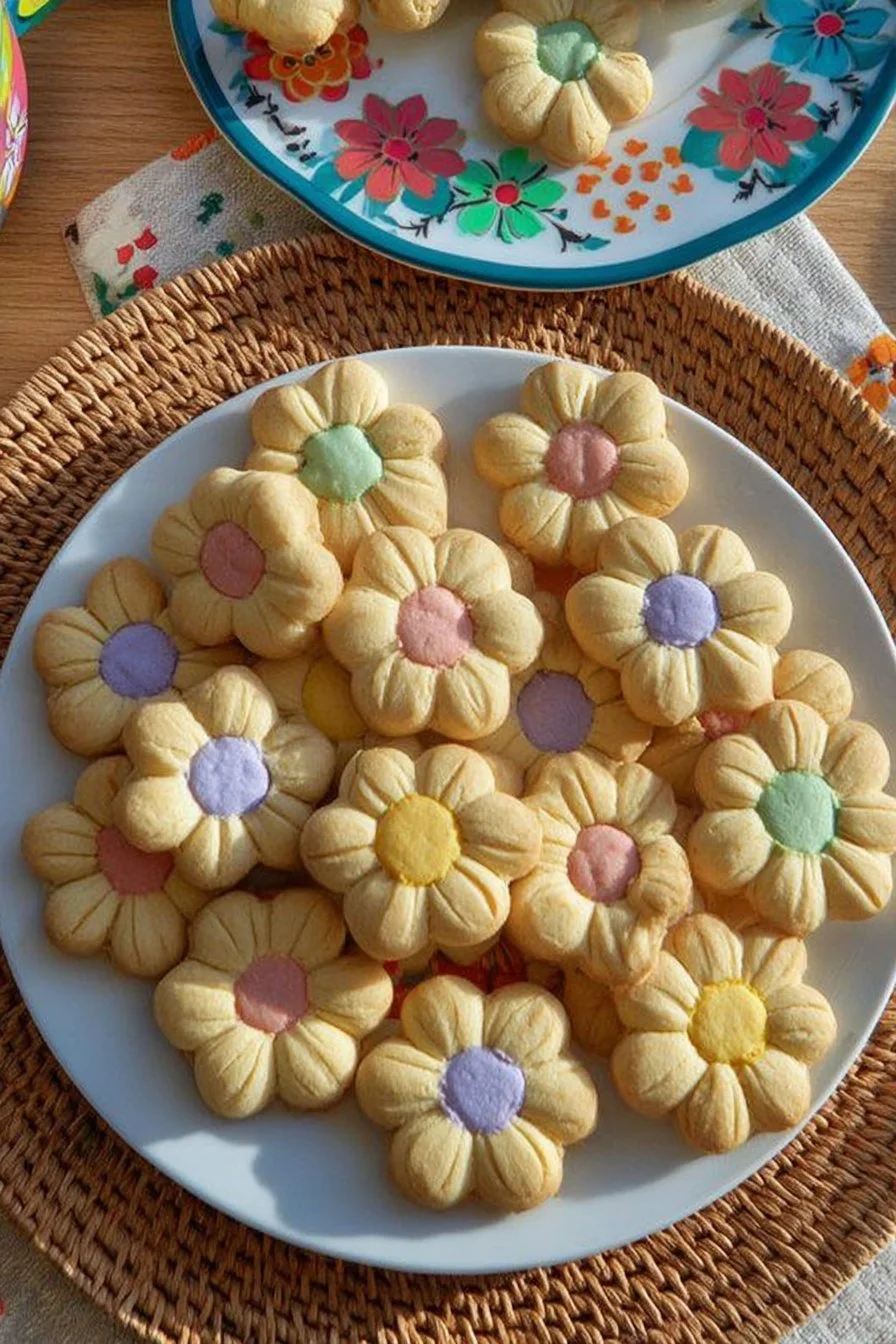
I still remember the first spring I made shortbread cookies shaped like little flowers; flour on my forearms, a stubborn petal cutter, and that first bite that felt like sunshine. I love how shortbread cookies bring a bright, buttery calm to a hectic afternoon, and they bake up reliably with simple tools and gentle technique. If you enjoy contrasting savory bakes too, try this hearty cauliflower soup while your cookies chill: hearty cauliflower soup.
Shortbread cookies are an elegant, crisp treat that suits tea, gifts, and easy party trays. The texture is tender and sandy, the flavor buttery and faintly sweet, and decorative edible flowers add a springlike pop that makes them special for celebrations or a quiet, sunny weekend.
What makes it special
- Buttery, melt-in-your-mouth crumb texture.
- Simple pantry ingredients, few steps.
- Easy to shape with flower cookie cutters.
- Make-ahead friendly; cool dough stores well.
- Attractive for gifting and seasonal gatherings.
"A delicate, buttery cookie that always impresses guests."
The cooking process at a glance
You’ll cream butter and sugar, fold in flour until a soft dough forms, chill briefly, then roll and cut into flower shapes. After a careful bake and cooling, top the cookies with light decorating or edible flowers. The whole workflow is forgiving and perfect for relaxed afternoons.
What you’ll need
- unsalted butter
- powdered sugar
- all-purpose flour
- vanilla extract
- edible flowers (pansies, violas, or similar)
- cookie cutter in a flower shape
- parchment or baking paper
Ingredient notes & swaps:
- Roles: butter gives tenderness and flavor, sugar sweetens and helps structure, flour provides the crumb; vanilla brightens overall flavor.
- Substitutions: swap powdered sugar for fine granulated sugar if needed; gluten-free flour works as an option but will change texture.
- Allergen callout: contains dairy and wheat; use dairy-free butter and gluten-free flour if avoiding those allergens.
- Tools: rolling pin and an offset spatula ease handling; a small paintbrush is handy for applying egg wash or glaze if desired.
Step-by-step instructions
Start by creaming butter with sugar until pale and smooth, then gently fold in flour to form a ribbon-like dough. Chill the mass until firm enough to roll, then roll between sheets of parchment, cut flower shapes, and transfer them to your lined pan for baking. Cool completely before decorating with edible flowers.
- Combine butter and powdered sugar in a bowl and cream until smooth and slightly light.
- Add vanilla extract, then fold in all-purpose flour until the mixture comes together into a soft dough.
- Shape the dough into a disc, wrap it, and chill until firm enough to roll but still pliable.
- Roll the dough between sheets of parchment to an even thickness and cut with a flower-shaped cutter.
- Transfer cut cookies to a lined pan, and arrange edible flowers on selected cookies before or after baking as desired.
- Bake until cookies are set and edges look slightly firm; cool them on a rack before any final decoration.
Pro Tip: If your cutter sticks, chill the assembled tray briefly so the dough firms and transfers cleanly.
Visual doneness cues:
- Edges should look set and not wet or doughy.
- Surfaces will feel dry to the touch and slightly firm when cooled.

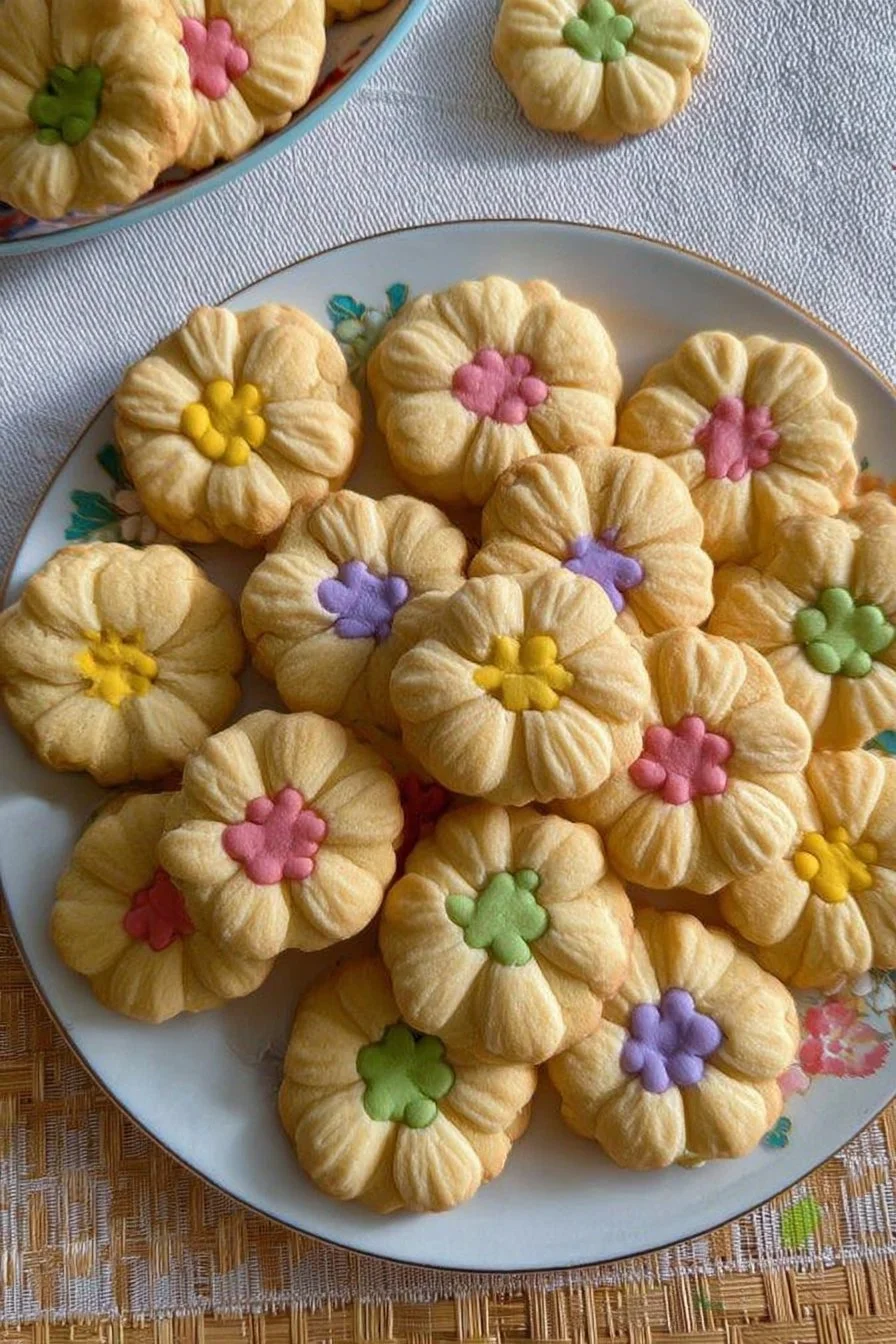
Helpful cooking tips
- Use room-cool, not melted, butter so you get a tender, sandy crumb without greasy spread.
- Keep flour lightly measured; overworking leads to tougher cookies.
- Roll between parchment for easy transfer and minimal sticking.
- For crisp edges, press the cutter straight down instead of twisting.
- Chill trays briefly if the dough softens too much while assembling.
Best ways to enjoy it
Shortbread cookies pair beautifully with tea or a bright citrus jam spread; plate a few with lemon zest or a light dusting of powdered sugar for contrast. For a simple platter, alternate plain and flower-topped cookies on a small cake stand and serve with a pot of loose-leaf tea or a cold glass of milk for a homey presentation.
How to store & freeze
Store cooled cookies in an airtight container at room temperature for a few days, or freeze assembled dough wrapped tightly for longer holds. When freezing baked cookies, layer parchment between pieces to prevent sticking. Refrigerate leftovers within 2 hours; reheat until steaming hot if you rewarm them.
How to fix common issues
- Dry, crumbly dough: add a small amount of softened butter and gently knead until it holds together.
- Excessive spreading: dough was too warm; chill the cut cookies briefly before baking.
- Bland flavor: fold in a little extra vanilla or a pinch of fine sea salt to brighten sweetness.
- Soggy bottoms: ensure proper airflow on the pan and avoid stacking cookies while still warm.
- Decoration falls off: ensure cookies are fully cooled and use a dab of jam or thin glaze to tack flowers down.
Recipe variations
- Citrus shortbread: add finely grated lemon or orange zest to the dough (optional).
- Chocolate-swirled: fold a small amount of cocoa into part of the dough and marbled when rolling.
- Herb-scented: add finely minced fresh thyme or lavender for a floral note; mark these as optional if herbs aren’t listed above.
- Gluten-free: use a 1-to-1 gluten-free flour blend; expect a slightly different crumb.
Common questions
Q: Can I use salted butter instead of unsalted?
A: Yes, but reduce or skip any added salt elsewhere to avoid an overly salty result. Salted butter will subtly change the flavor profile and can actually enhance balance in small amounts.
Q: How can I keep the flowers from burning in the oven?
A: Place delicate flowers on cookies after baking when possible, using a light dab of jam or glaze to adhere them. If you place flowers before baking, choose sturdier petals and watch for darkening.
Q: Will rolling the dough thinner make crisper cookies?
A: Thinner dough yields crisper cookies and more pronounced edges; slightly thicker dough produces a more tender, shortbread-like bite. Adjust thickness based on the texture you prefer.
Q: What’s the best way to transport these for gifting?
A: Layer cookies with parchment in a shallow tin or box to prevent shifting, and keep flower-topped cookies on the top layer to avoid crushing delicate decorations.
Q: Can I freeze the dough after cutting shapes?
A: Yes, freeze cut cookies on a tray until firm, then transfer to a sealed container. Bake from frozen with a few extra minutes if needed, watching for visual cues.
Helpful answers
Q: How do I maintain the flower shape when baking?
A: Use chilled dough and a sharp cutter; avoid handling the shapes excessively once cut. If the dough softens, return the tray to chill to keep the petals crisp and defined.
Q: Are edible flowers safe to eat?
A: Only use flowers labeled as edible and grown without pesticides. Popular choices include pansies and violas which offer mild flavor and bright color.
Q: Is powdered sugar necessary for shortbread?
A: Powdered sugar contributes a silkier texture and dissolves more readily. Granulated sugar may be used but expect a slightly grittier surface.
Conclusion
These spring-inspired shortbread cookies are a dependable, beautiful treat that balances simple technique with show-stopping presentation; for a variation that highlights floral decoration, see this clear visual guide: How to Make Pansy Topped Shortbread Cookies • so easy!
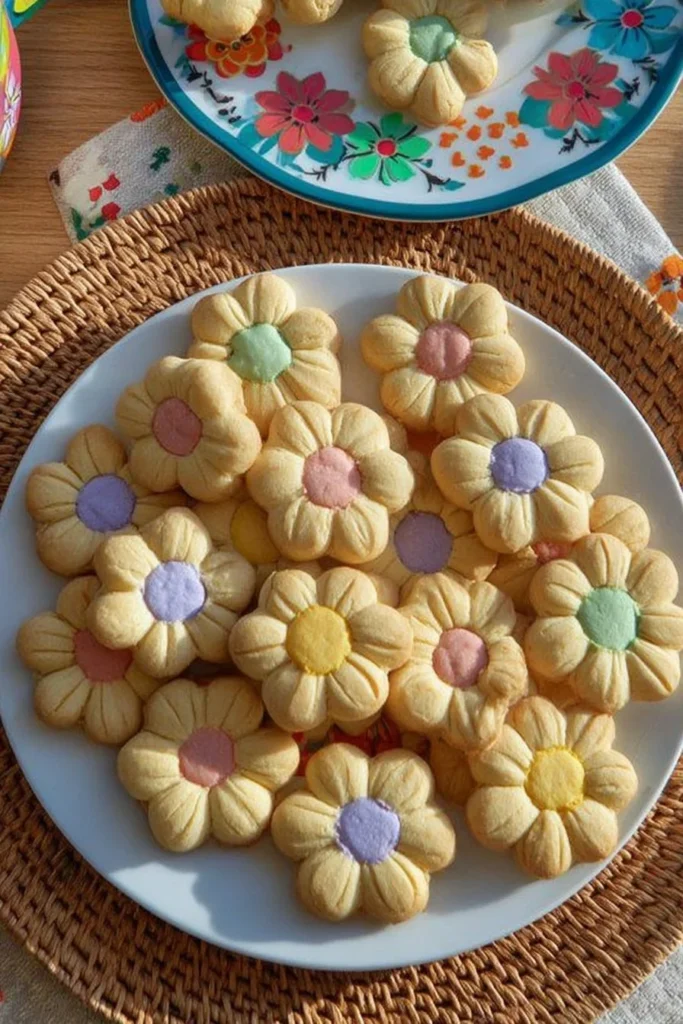
Shortbread Cookies
Ingredients
Method
- Combine butter and powdered sugar in a bowl and cream until smooth and slightly light.
- Add vanilla extract and fold in all-purpose flour until a soft dough forms.
- Shape the dough into a disc, wrap in plastic, and chill until firm but pliable.
- Roll the dough between two sheets of parchment to an even thickness.
- Cut cookies with a flower-shaped cutter and transfer to a lined baking pan.
- Arrange edible flowers on selected cookies before or after baking.
- Bake until set and edges look slightly firm, about 12 minutes.
- Cool cookies completely on a rack before decorating with flowers.