
I still remember sitting up late with a box of tissues and a throat that felt like sandpaper, and how a steaming cup of ginger lemon honey tea soothed me more than anything else. That simple infusion—the bright tartness of lemon, the spicy warmth of ginger, and the mellow sweetness of honey—became my go-to for comfort and clarity. I often compare it to sipping a warm hug; it’s emotionally restorative and powerfully aromatic, and I’ll admit I make a pot whenever cold season looms. cold yogurt drink guide
This ginger lemon honey tea blends sharp citrus, peppery ginger, and soothing honey into a smooth, golden drink that feels restorative on the tongue and comforting in the chest. It’s easy enough for busy mornings, gentle enough for late nights, and versatile for anyone who likes a bright, warming infusion. Trust touch: use fresh ginger and fresh lemon for the clearest aroma and most vibrant flavor.
Why you’ll love this
- Fast to prepare with minimal equipment.
- Bright, fresh citrus cuts through throat discomfort.
- Warming ginger provides a long, spicy finish.
- Honey adds smooth sweetness and soothing texture.
- Works as a daily ritual or occasional comfort drink.
"Simple, aromatic, and reliably soothing on a rough day."
This section highlights what readers gain from the recipe: speed, flavor balance, reliability, and small-batch convenience. The combination of grated ginger and freshly squeezed lemon creates an aromatic infusion that feels immediate and honest. Tools like a kettle, strainer, and mug are all you need.
How this recipe comes together
You’ll steep sliced or grated ginger and lemon in hot water to extract oils and bright acids, then strain and finish with honey to taste. The process centers on infusion and gentle extraction so the drink is clear, aromatic, and pleasantly warming rather than muddy or overly sweet.
[Image cue: First step — slicing ginger]
Key ingredients for ginger lemon honey tea
- fresh ginger
- lemon
- honey
- water
Ingredient notes & swaps:
- Ginger provides heat and aromatic spice; grate or slice as preferred.
- Lemon supplies bright acidity; zest for extra citrus oils or squeeze for fresh juice.
- Honey sweetens and smooths texture; use a mild or floral honey for subtle complexity.
- If you avoid honey, a neutral sweetener is an optional swap.
Allergen note: contains honey.
How to make ginger lemon honey tea
This method focuses on extracting aroma and flavor without clouding the infusion; keep ingredients simple and taste as you go.
- Prepare fresh ginger by peeling and slicing or grating to release oils.
- Add ginger and lemon slices or juice to hot water and let steep briefly to create a clear infusion.
- Strain the liquid into a mug and stir in honey until dissolved; adjust lemon or honey to balance tartness and sweetness.
- Serve warm, garnished with a lemon slice or a few thin ginger slivers if desired.
Pro Tip: Grating ginger releases more volatile oils than slicing, so use a microplane when you want a brighter, more intense ginger character.
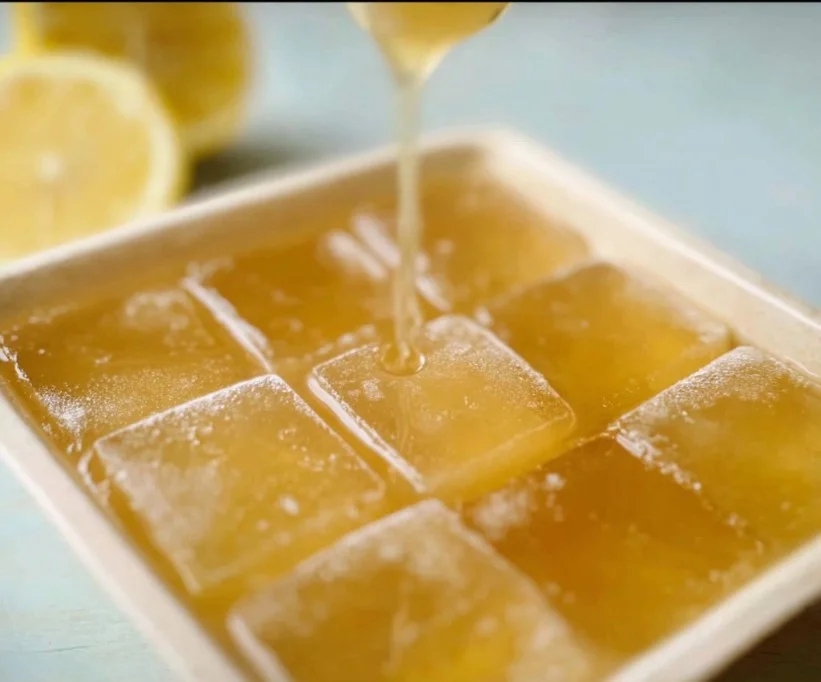
Visual cues: the liquid should be a clear pale gold with visible citrus aroma and a fresh, spicy scent when you bring it to your nose. You may notice a faint sheen on the surface from lemon oils.
Helpful cooking tips
- Use a fine strainer to keep bits of grated ginger out of the cup for a smoother sip.
- Taste before adding all the honey; balance is personal and depends on lemon tartness.
- For a rounder flavor, stir the honey into slightly cooled tea so it dissolves evenly.
- Keep lemon rind thinly sliced if you plan to steep longer; thick pith can add bitterness.
- Warm the mug first to keep the drink hot longer.
Best ways to enjoy it
This tea pairs beautifully with light savory snacks or simple toast; the acidity of lemon cuts richness while honey tames spicy notes. Serve it in a small mug with a lemon wheel perched on the rim, or in a teapot for a soothing bedside ritual. For a cold option, chill and serve over ice with a sprig of mint for brightness.
[Image cue: Serving — warm mug with lemon wheel]
Storage & reheating tips
Store cooled infusion in a covered container in the refrigerator. Reheat gently until steaming; avoid boiling which can dull citrus brightness and alter honey character. If you prepared a concentrated steep, dilute to taste when reheating.
How to fix common issues
If the tea is too bitter, add more hot water and a touch of honey to round it out. If it’s bland, increase fresh ginger or add a little lemon zest for aromatic lift. If the drink is overly spicy, strain out the ginger immediately and add more honey or a splash of warm water to tame the heat.
Flavor swaps
- Add a cinnamon stick while steeping for warming, sweet-spicy depth; optional.
- Swap part of the water for brewed green tea for antioxidant complexity; optional.
- Try a slice of fresh turmeric for earthier warmth; optional and may alter color.
Your questions answered
Q: Can I make a large batch and keep it ready in the fridge?
A: Yes, make a concentrated infusion of ginger and lemon, strain, and refrigerate in a sealed container. Dilute and reheat or chill to serve. Keep flavors bright by adding a little fresh lemon or honey when serving to restore aromatics.
Q: Which form of ginger gives the best flavor?
A: Fresh ginger root provides the cleanest, most aromatic heat. Grated ginger yields immediate intensity, while thin slices produce a gentler, slowly releasing warmth. Choose grating for a bold sip or slicing for a milder, sustained infusion.
Q: Is raw honey safe to use in hot tea?
A: Honey dissolves readily when stirred into warm or cooled tea. Avoid exposing quality honey to excessively high heat for prolonged periods to preserve its delicate floral notes. Taste and adjust after dissolving for best balance.
Q: Can I substitute lemon with another citrus?
A: Lime, orange, or even grapefruit can work as optional swaps; lime brings sharper acidity while orange adds sweeter citrus oils. Use zest sparingly if swapping to control bitterness.
Q: What tools help make the smoothest cup?
A: A microplane or fine grater, a fine mesh strainer, a sturdy kettle, and a comfortable mug are all helpful. They focus on extraction and clarity so the tea drinks clean and aromatic.
Visual doneness cues
When steeping, look for a clear pale gold color and inhale for a fresh, bright aroma. The steep should smell peppery from ginger and fragrant with citrus oils. If the liquid turns cloudy or the aroma shifts to bitter, you’ve steeped too long.
Conclusion
For a ready-made option that mirrors this flavor profile and adds zinc to the mix, consider trying Ginger Honey Plus Zinc Herbal Tea – Bigelow Tea, which offers a convenient way to enjoy a ginger lemon honey style infusion.
Ginger Lemon Honey Tea
Ingredients
Method
- Peel and slice or grate the fresh ginger to release oils.
- Add ginger and lemon slices or juice to hot water and let steep for 5 minutes.
- Strain the liquid into a mug and stir in honey until dissolved.
- Serve warm, garnished with a lemon slice or ginger slivers if desired.