
I still remember the first time I cracked a dozen eggs for a weekend brunch and turned a pile of tired vegetables into something glowing and comforting. That day I learned how forgiving a frittata can be, and why it has become my go-to for simple, satisfying meals. The frittata is forgiving, bold, and quietly brilliant; it’s an easy weekday hero and a showy weekend centerpiece in one.
This version is approachable but vibrant, with a silky interior and a golden exterior that snaps when you cut into it. It’s ideal for anyone who wants brunch that feels special without a lot of hassle. If you like make-ahead sides, pair it with my favorite sweet accompaniment: best southern candied sweet potatoes recipe. Trust touch: Pat proteins dry for better sear.
Why you’ll love this
- Makes-ahead convenience for busy mornings
- Uses pantry staples and seasonal produce
- Single-pan cooking means fewer dishes
- Balanced texture: creamy center, slightly crisp edge
- Frees you to improvise with what’s on hand
“A perfect, reliable brunch that feels homemade and indulgent.”
How this recipe comes together
Whisk eggs, fold in dairy and cheese, sauté chosen vegetables until softened, and combine everything in an ovenproof pan to finish gently so the center sets without drying. The result is a fluffy, custardy interior with savory pockets and a lightly browned top that slices cleanly.
What you’ll need for frittata
- eggs
- milk or cream
- salt
- pepper
- olive oil or butter
- onion (optional)
- bell pepper (optional)
- spinach or leafy greens (optional)
- cheese (any melting cheese)
- cooked potato or leftover cooked grains (optional)
- cooked bacon or sausage (optional)
Ingredient notes & swaps:
- Eggs are the structure; you can swap milk for cream for extra richness.
- Cheese adds salt and melt; use a milder cheese if you prefer less tang.
- Leafy greens wilt quickly and behave differently than raw root vegetables.
- Allergen callout: contains eggs and dairy; omit or substitute according to dietary needs.
How to make frittata
Start simply: mix eggs and dairy, soften vegetables, combine, and gently finish so the center firms but stays tender. This method keeps flavors layered and textures inviting.
- Whisk eggs with milk, salt, and pepper until combined.
- Sauté aromatics and firmer vegetables in oil until they soften and smell fragrant.
- Add any pre-cooked proteins or potatoes to warm through.
- Pour the egg mixture over the fillings and gently stir to distribute.
- Cook on the stovetop until the edges begin to set and the surface looks slightly thickened.
- Finish so the top is fully set and the texture is custardy rather than rubbery.
Pro Tip: Let eggs and dairy sit together a few minutes after whisking for a smoother texture.
Visual doneness cues: edges will pull slightly from the pan and feel firm to the touch; the center should still jiggle gently and have a glossy sheen when done.

Visual doneness cues
When you nudge the pan, the outer ring should be solid while the center offers a soft wobble; the top will show a pale golden color and tiny set bubbles.
Helpful cooking tips
- Cook harder vegetables a bit first so their moisture doesn’t sog the eggs.
- Use a well-seasoned or nonstick ovenproof skillet to help release the frittata.
- To avoid dryness, stop cooking when the center still moves slightly; residual heat finishes it.
- If using leftover cooked potatoes or rice, toss them in hot fat first for a crisp edge.
- Let the frittata rest briefly before slicing to preserve texture.
Best ways to enjoy it
Serve wedges warm or at room temperature with a scattering of fresh herbs and a crisp green salad. A spoonful of tangy yogurt or a drizzle of good olive oil brings brightness. For a casual brunch, plate with simple toast and roasted tomatoes for contrast.
Storage & reheating tips
Cool leftovers to room temperature, cover, and refrigerate; to reheat, warm gently until steaming. For freezing, wrap portions tightly for space-efficient storage and thaw before reheating. Refrigerate leftovers within 2 hours; reheat until steaming hot.
How to fix common issues
If your frittata is dry: you likely overcooked it; next time stop when the center still jiggles.
If it’s soggy: the fillings released too much moisture; pre-cook wet vegetables longer.
If it’s bland: boost with finishing salt, fresh herbs, or an acidic component like lemon zest.
If the surface browned too quickly: lower the heat and finish more gently so the interior sets without burning.
Creative twists
Try adding roasted mushrooms and thyme for an earthy note, or mix in sun-dried tomatoes and basil for a brighter flavor. Swap cheeses for a sharper finish or omit meat for a lighter, vegetable-forward dish. Any variation should respect the core egg-to-filling balance.
Your questions answered
What makes a frittata different from an omelet or quiche?
A frittata is a thick, open-faced egg dish cooked slowly and often finished evenly to create a custardy interior without a crust; it’s heartier and more forgiving than an omelet, and it doesn’t need a pastry shell like a quiche.
Can I use raw vegetables in a frittata?
Yes, but choose quick-wilting greens and thinly sliced vegetables, or cook firmer vegetables first so they release less moisture and achieve pleasant texture. Visual cues—softness and aroma—tell you they’re ready.
How do I reheat a slice without drying it out?
Warm gently on low heat in a skillet with a lid, or microwave at low power in short bursts until steaming. A splash of water or a quick brush of oil before reheating helps restore silkiness.
Is it possible to make a dairy-free or lower-fat version?
Absolutely. Use plant-based milk or skip added dairy; increase flavor with herbs, spices, and a savory topping like sautéed mushrooms. Expect a slightly different mouthfeel but still satisfying flavor.
How do I scale a frittata up for a crowd?
Use a larger ovenproof vessel and maintain the egg-to-filling ratio. Cook gentle and even, checking for the same visual doneness cues so the center sets without overcooking.
Personal note: once, at a crowded holiday brunch, I doubled the recipe and learned to stagger pans so each finished with the same gentle wobble. That day the golden slices disappeared fast.
A short memory: my neighbor taught me to slide a spatula under the edge and listen for a soft sizzle; that small sound tells you the pan heat is right.
Another small story: a rainy morning when the kids were small, I tossed in roasted peppers and bacon, and the honeyed smell filled the house. The frittata felt like comfort in a wedge, and we ate it with our hands.
Conclusion
For a reliable, flexible dish that suits both lazy mornings and special gatherings, this frittata approach delivers creamy texture and vivid flavor with minimal fuss. For more ideas and a tested step-by-step version, see Easy Frittata Recipe & Variations – Sally’s Baking Addiction.
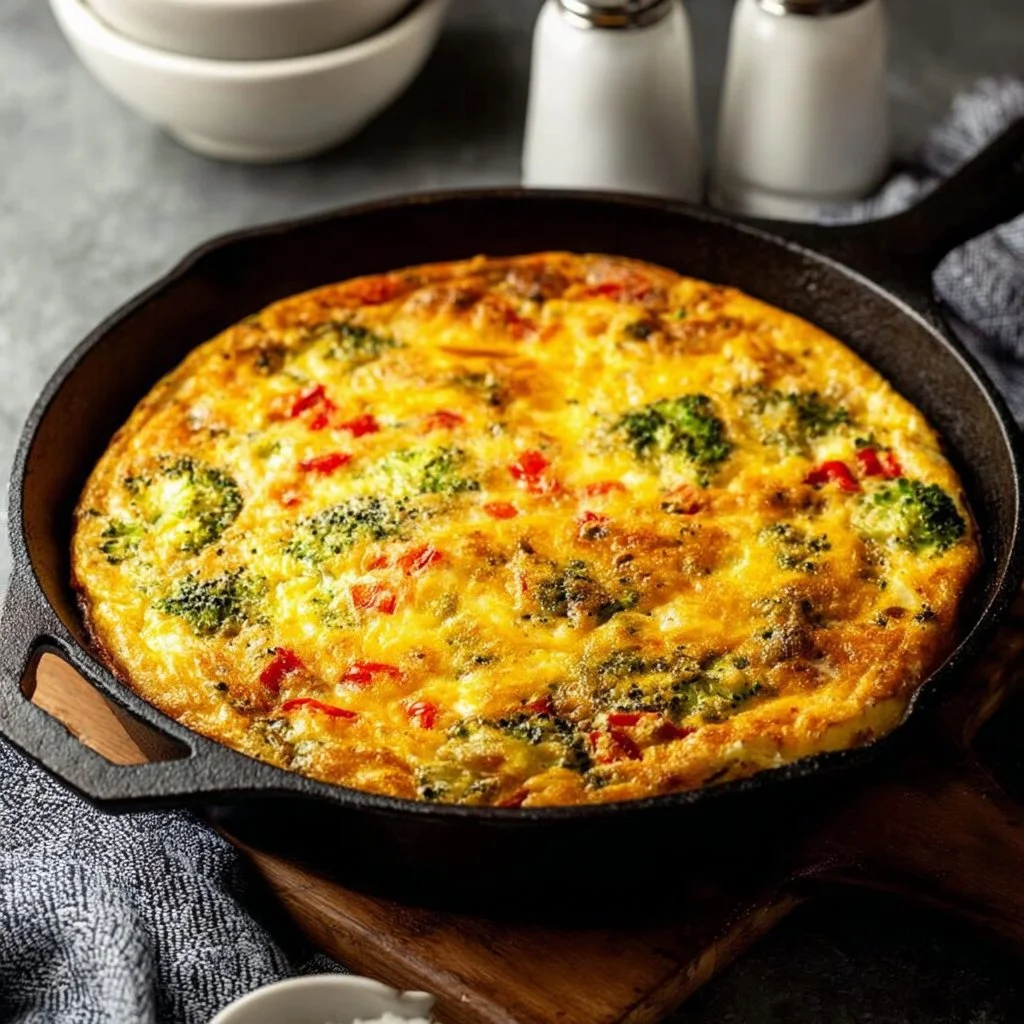
Frittata
Ingredients
Method
- Whisk the eggs with milk, salt, and pepper until well combined.
- Sauté aromatics and firmer vegetables in oil until softened and fragrant.
- Add any pre-cooked proteins or potatoes to warm through.
- Pour the egg mixture over the fillings and gently stir to distribute.
- Cook on the stovetop until the edges begin to set and the surface looks slightly thickened.
- Finish in the oven or on the stovetop until the top is fully set and the texture is custardy.