
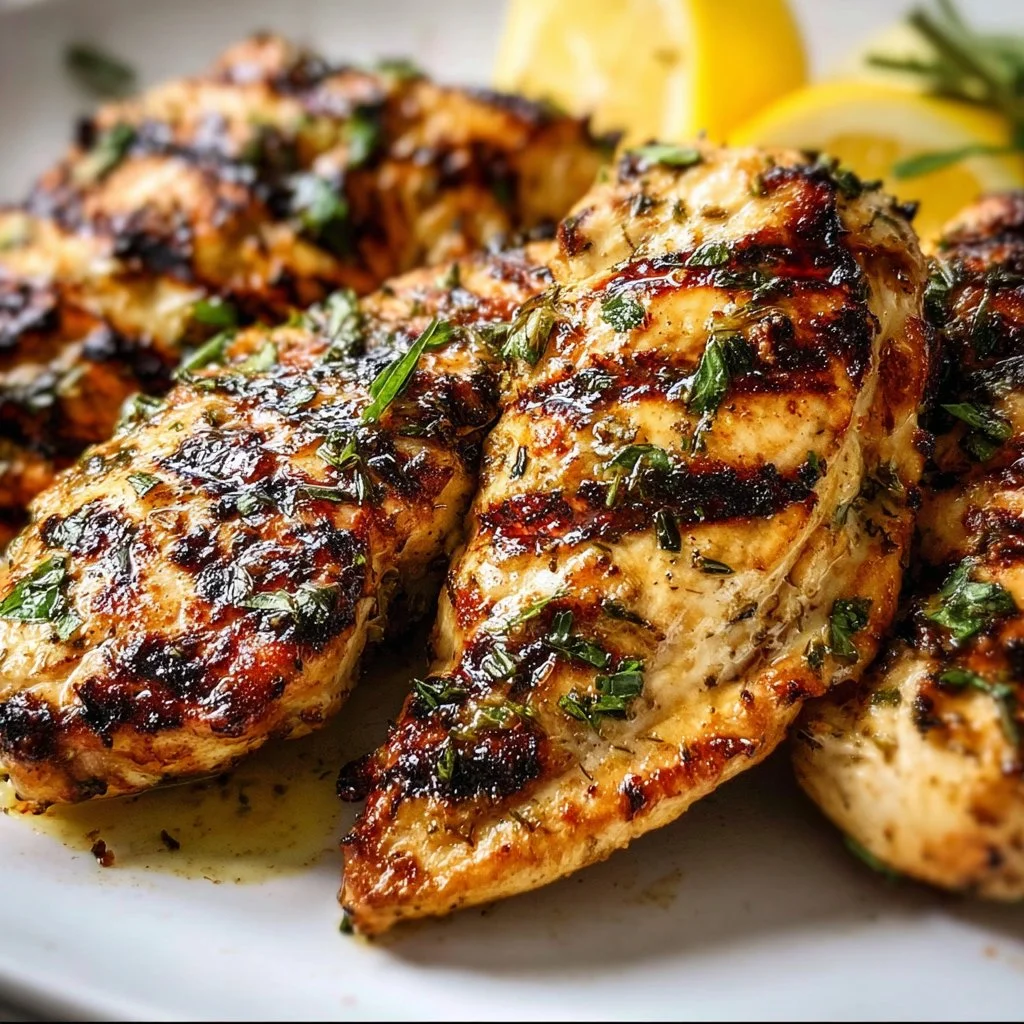
I still remember the first time I tossed chicken in this greek chicken marinade and smelled that bright, herbal lift hit the kitchen — it was pure joy. I keep this version in heavy rotation because it’s easy, forgiving, and gives juicy results whether I pan-fry, bake, or grill. I usually call it my go-to for midweek dinners when I want something bold but effortless. [Image cue: Featured]
If you like one-pan dinners, this pairs beautifully with a creamy side; sometimes I serve it alongside my creamy chicken orzo recipe to stretch the meal and soak up all the tangy juices. Trust touch: Pat chicken dry for better sear.
Why you’ll love this
- Versatile for pan-fry, bake, or grill
- Simple pantry-friendly technique
- Boosts flavor without heavy effort
- Reliable juicy texture every time
- Great for make-ahead dinners
“A bright, dependable marinade that turns plain chicken into something memorable.”
Step-by-step overview This marinade is all about building bold flavor quickly: whisk the components, coat the chicken, let flavors mingle, then cook by your preferred method. The process is forgiving and designed to work whether you want charred edges from a grill or a crisp sear from a skillet. [Image cue: First step]
What you’ll need
- (No explicit ingredient list provided)
Ingredient notes & swaps
- Role: The marinade’s acids and oils tenderize and carry herbs; swap acids if needed.
- Substitution: Use a neutral oil instead of richer oils if you prefer a lighter finish.
- Allergen callout: This dish centers on chicken; be mindful for those avoiding poultry.
- Texture cue: Oils give a silky coating, while acids produce a bright lift.
How to make it In short: mix the marinade components, coat the chicken thoroughly, let flavors meld, then cook using pan-fry, bake, or grill methods to your liking.
- Combine your chosen marinade components in a bowl and whisk until emulsified so the mixture clings to the chicken.
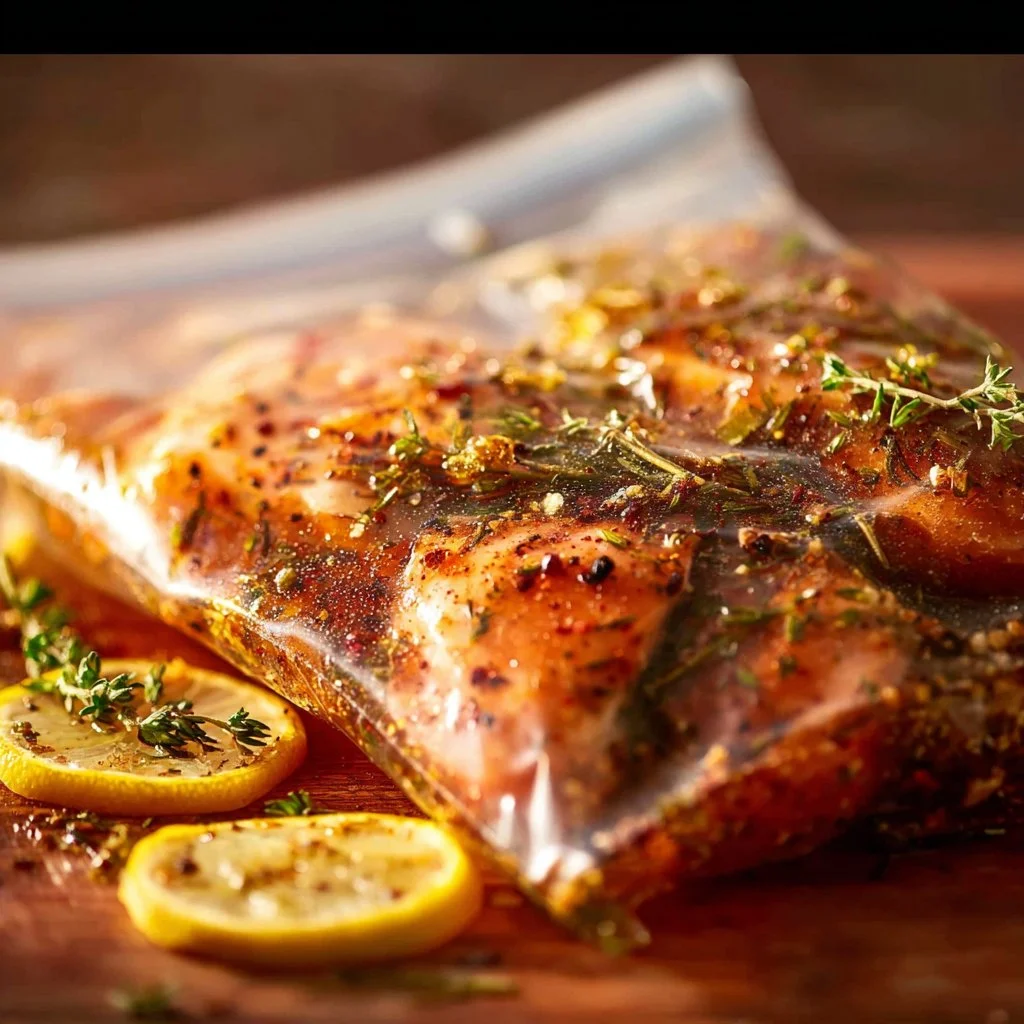
- Add chicken pieces to the bowl or a resealable bag, turning to coat each piece completely; massage briefly so flavors penetrate.
- Let the chicken sit long enough for the surface to take on the marinade’s aroma; this is flexible depending on time and preference.
- Cook by pan-frying in a hot skillet for a crisp exterior, baking until the juices run clear, or grilling until you get a pleasing char and smoky perfume.
- Rest the chicken a short moment before slicing so juices redistribute and the texture becomes silky rather than dry.
Pro Tip: If you want a stronger hit of fresh herb character, reserve a small amount of finely chopped herbs to sprinkle over the cooked chicken just before serving.
Visual doneness cues
- Look for nicely browned or charred edges and a glossy surface from the marinade.
- Smell a savory, garlicky herb aroma and feel the chicken firm yet springy when pressed gently.
Helpful cooking tips
- Coat well: Make sure every surface of the chicken is covered so flavors are even.
- Timing window: Marinate as long as your schedule allows for deeper flavor, but even a brief rest adds lift.
- Heat control: Start hot for a quick sear, then lower heat to cook evenly without drying.
- Resting: Let the chicken rest before slicing to lock in juices.
- Shortcut: Use a resealable bag for fast, even coverage and easy cleanup.
Serving suggestions Serve this greek chicken marinade-glazed chicken with bright, simple sides like roasted vegetables or a leafy salad to balance the savory richness. Garnish with fresh herbs and a squeeze of acid to brighten. For plating, slice the chicken thin against the grain and arrange over grains or alongside a lightly dressed salad for a pleasing contrast. [Image cue: Serving]
Storage & reheating tips Store leftovers in an airtight container in the refrigerator and use them within a reasonable window for best quality. Freeze portions if you want to keep extras longer, then thaw safely before reheating. Refrigerate leftovers within 2 hours; reheat until steaming hot.
How to fix common issues
- If the chicken is dry: Slice and toss it briefly in a warm pan with a splash of reserved marinade or broth to add moisture.
- If flavors are bland: Finish with a bright acid or sprinkle of fresh herbs to lift the profile.
- If surface is soggy after cooking: Increase initial searing heat to develop a better crust next time.
- If the marinade separates: Whisk or blend briefly until it emulsifies and looks cohesive again.
Recipe variations
- Herb-forward: Add more fresh herbs for a lively, green finish (optional).
- Smoky twist: Use a char-grill method or a pinch of smoked seasoning for deeper savory notes (optional).
- Citrus hint: A splash of citrus will brighten the overall flavor; add at serving if you prefer less acidity during cooking (optional).
- Spice lift: Introduce a gentle heat component if you like spicy accents (optional).
Common questions Q: Can I use this marinade for bone-in chicken pieces? A: Yes. Bone-in cuts work well; they often stay juicier and develop additional flavor from longer contact with the marinade and slower cooking. Adjust cooking method as needed; watch for color and firmness as doneness cues.
Q: Will this marinade overpower delicate sides? A: Not usually. The idea is to create a balanced, bright profile that complements rather than dominates. Pair with simple, lightly seasoned vegetables or grains so the flavors harmonize.
Q: Is marinating required? A: Marinating deepens flavor and can improve texture, but a quick coat will still add a pleasing surface flavor. Even minimal resting between coating and cooking helps the overall taste.
Q: Can I grill this directly from the marinade? A: Yes; blot excess marinade from the surface to avoid excessive flare-ups, then place over a hot grate for those caramelized char marks and smoky notes.
Q: How do I get even browning on a pan-fried cut? A: Start with a hot, well-oiled skillet so the chicken sears quickly and forms an attractive crust without sticking. Lower heat as needed to finish cooking through without burning the exterior.
Before you start H3: Before you start Give yourself a clean workspace, a shallow bowl or resealable bag for coating, and a dependable cooking surface. Taste and adjust a small portion of the marinade before committing a large batch — slight tweaks can make a big difference in balance.
Visual doneness cues H3: Visual doneness cues Look for a deepening of color on the exterior, a pleasantly glossy finish from the marinade, and firmness that yields slightly under pressure. The aroma should smell herbal and inviting, with a toasty note if grilled.
Ingredient spotlight H3: Ingredient spotlight Even without a strict list here, a successful greek-style marinade often balances oils, acid, and aromatics; each plays a role in texture, flavor delivery, and cooking behavior. Think silky coating, bright lifts, and aromatic depth.
Micro-story and reflection I’ll always remember a summer when I brought grilled marinated chicken to a backyard potluck; neighbors kept asking for the secret, and I realized how a simple, confident marinade can turn an ordinary evening into a memorable one. That memory keeps me reaching for this approach whenever I want food that feels generous and effortless.
Conclusion
Conclusion
For a trustworthy, flavor-forward weeknight go-to, this approach to a greek chicken marinade delivers satisfying results whether you pan-fry, bake, or grill. For another trusted take and inspiration on a similar theme, I often reference Greek chicken recipe (with the best marinade) for technique and plating ideas.
Greek Chicken Marinade
Ingredients
Method
- Combine all marinade ingredients in a bowl and whisk until emulsified.
- Add chicken pieces to the bowl or a resealable bag, turning to coat completely.
- Let the chicken sit for at least 30 minutes to allow the flavors to meld.
- Cook the chicken by pan-frying in a hot skillet, baking in the oven, or grilling on a hot grate.
- Cook until the juices run clear and the chicken is firm yet springy when pressed.
- Rest the chicken before slicing to lock in the juices.