
Healthy low carb dinners have become a staple in my kitchen, and every time I prepare one, I’m reminded of just how delicious, nourishing, and satisfying they can be. Breaking away from heavier meals filled with carbs can feel daunting, but there’s a rewarding lightness that comes with these meals. Today, I’d like to share some insights and ideas for your next healthy dinner.
What makes healthy low carb dinners special is their ability to deliver on flavor without weighing you down. These meals are perfect for anyone looking to maintain energy levels while still enjoying great food. Whether you’re trying to lose weight, manage blood sugar levels, or simply eat more mindfully, healthy dinners packed with protein and wholesome ingredients are the way to go.
Reasons to try it
- Quick preparation saves time on busy nights.
- Packed with flavor and vibrant colors that entice your taste buds.
- Nourishing ingredients that promote health without sacrificing satisfaction.
- Variety ensures you never feel deprived.
- Budget-friendly options that won’t break the bank.
“These meals are not only healthy but delicious and easy to make.”
The cooking process at a glance
Healthy low carb dinners come together effortlessly. Start by selecting your favorite protein source, such as chicken, fish, or tofu. Pair it with vibrant vegetables, a few herbs and spices, and then prepare it using methods like grilling, baking, or steaming. The result? A delightful and nutritious meal in no time.
What you’ll need for healthy low carb dinners
- Protein source (chicken, pork, fish, tofu)
- Fresh vegetables (zucchini, broccoli, spinach)
- Healthy fats (olive oil, avocado, nuts)
- Herbs and spices (garlic, basil, cumin)
Ingredient notes & swaps
- Sourcing fresh seasonal vegetables can enhance flavor and nutrition.
- Swap traditional pasta for spiralized veggies to cut down on carbs.
- If sensitive to gluten, consider alternatives like almond flour or coconut flour.
Cooking method
To whip up healthy low carb dinners, it typically involves a few straightforward steps. Start by marinating your protein if desired, while you prepare your vegetables. You’ll want to avoid overcrowding your cooking surface to ensure everything heats evenly and cooks efficiently. This way, flavors can meld beautifully in the cooking process.
- Preheat your oven to the desired temperature.
- Prepare your protein by seasoning it well.
- Chop vegetables into bite-sized pieces for even cooking.
- Arrange everything on a baking tray or in a skillet, ensuring nothing is overlapping.
- Drizzle with healthy fat and sprinkle herbs over for added flavor.
- Bake or sauté until protein is cooked through and veggies are tender.
Pro Tip: Let your protein rest a few minutes after cooking for juicier bites.
Look for telltale signs of doneness; proteins should be opaque and firm to the touch, while vegetables should be bright and fork-tender.
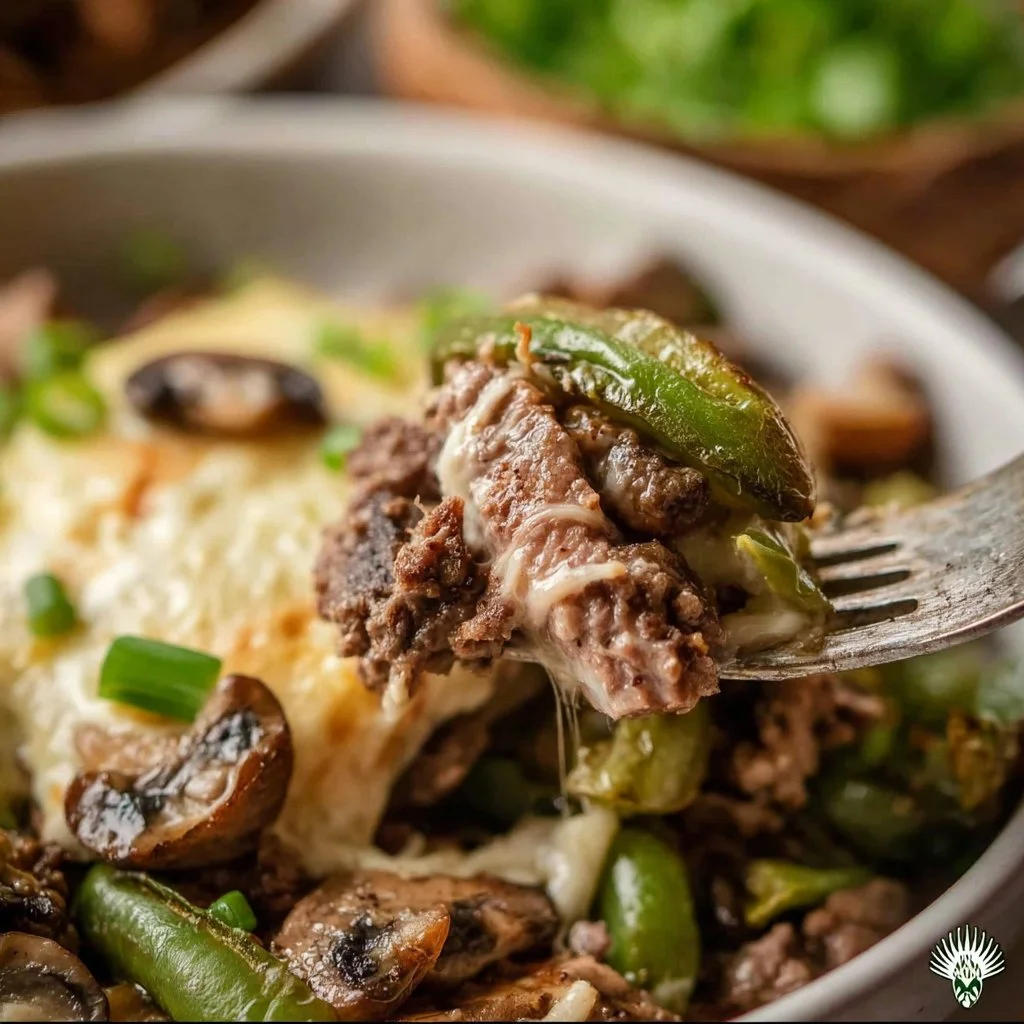
Helpful cooking tips
- Always taste as you go to adjust seasoning to your preference.
- Experiment with different herbs and spices to find your favorite flavor combinations.
- Use larger batches to prepare meals for the week—just store portions in airtight containers.
Best ways to enjoy it
When serving healthy low carb dinners, consider pairings that elevate the meal. Crumbling feta or goat cheese over a salad adds a delightful creaminess. A sprinkle of fresh herbs can enhance even the simplest vegetable preparation. My go-to is often grilled chicken served over a bed of sautéed spinach, enriched with a squeeze of lemon and garnished with nuts for crunch.
Storage & reheating tips
You can keep leftovers of healthy low carb dinners in the fridge for 3-4 days in airtight containers. These meals are often just as tasty reheated. For best quality, reheat on the stovetop to preserve texture, avoiding the microwave when possible.
Refrigerate leftovers within 2 hours; reheat until steaming hot.
How to fix common issues
If you encounter dry meat, consider adding a splash of broth or a drizzle of sauce while reheating to bring back moisture. For bland flavors, a sprinkle of salt or a drizzle of olive oil can bring everything back to life. If your dish turned out too oily, balance it with a splash of vinegar or lemon juice to cut through the richness.
Recipe variations
To keep things fresh and exciting in the kitchen, try these variations:
- Swap chicken for salmon or shrimp for a delightful twist on flavor and protein.
- Experiment with different veggies like bell peppers or eggplants.
- Incorporate low carb sauces or dressings for added depth—such as a homemade chimichurri or basil pesto.
Common questions about healthy low carb dinners
What are some quick healthy low carb dinner ideas?
Simple dishes include grilled chicken with sautéed vegetables or a zucchini noodle stir fry with shrimp. These meals are quick to prepare, nutritious, and fulfilling.
Can I meal prep healthy low carb dinners?
Absolutely! Meal prepping healthy low carb dinners can save you time during the week. Cook proteins and veggies in bulk and store them in portioned containers to grab on busy nights.
How do I make my low carb dinners more filling?
Incorporate healthy fats like avocados or nuts to help with satiety. Adding fibrous vegetables can also make your meal more filling without increasing the carb count significantly.
What are some tips for cooking low carb meals?
Focus on using fresh, whole ingredients and monitor portion sizes. Moreover, including a variety of herbs and spices will enhance flavors without adding extra carbs.
Are healthy low carb dinners suitable for families?
Yes! Many healthy low carb dinners can be made family-friendly by focusing on flavors everyone enjoys and incorporating customizable components, such as build-your-own tacos or wraps.
Healthy low carb dinners are a fantastic way to enjoy flavorful meals while nourishing your body. With a bit of creativity and the right ingredients, you can whip up dishes that satisfy everyone at the table.
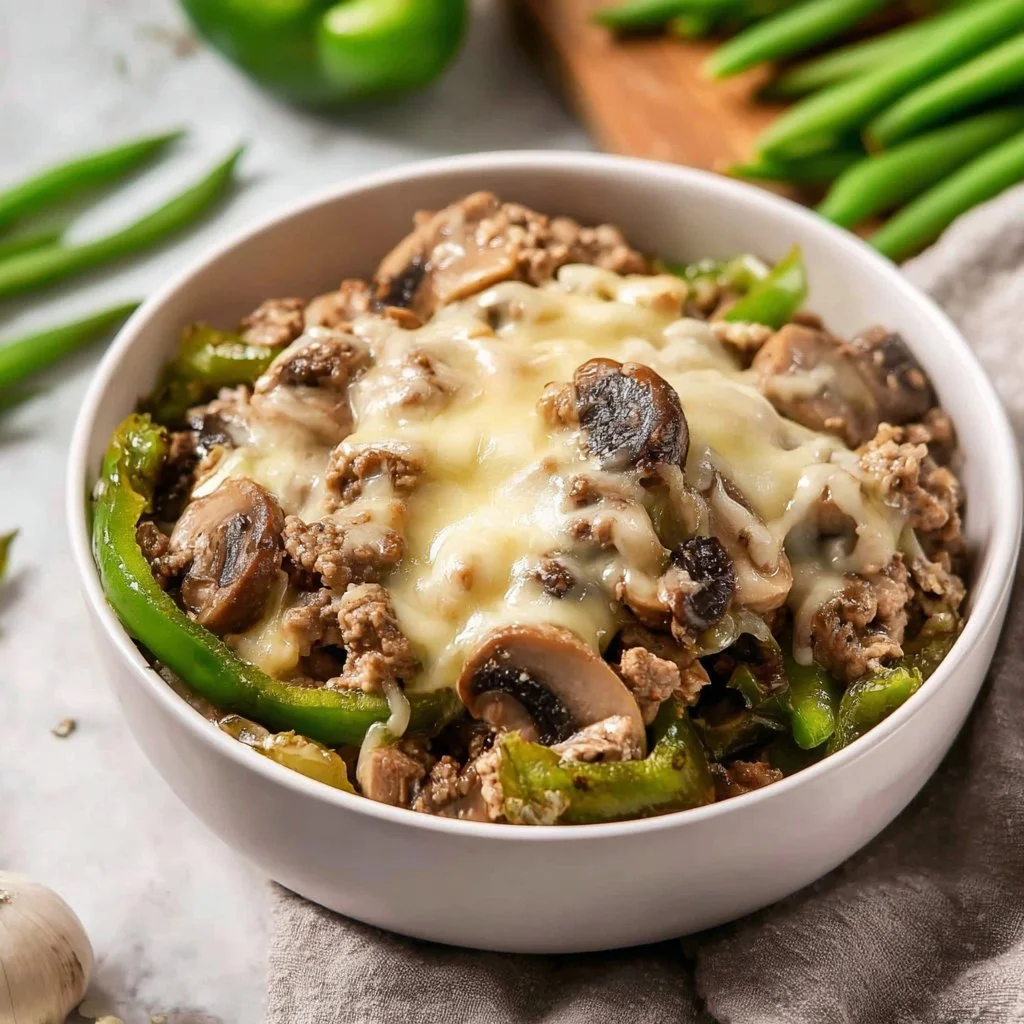
Healthy Low Carb Dinners
Ingredients
Method
- Preheat your oven to the desired temperature.
- Prepare your protein by seasoning it well.
- Chop vegetables into bite-sized pieces for even cooking.
- Arrange everything on a baking tray or in a skillet, ensuring nothing is overlapping.
- Drizzle with healthy fat and sprinkle herbs over for added flavor.
- Bake or sauté until protein is cooked through and veggies are tender.
- Let your protein rest a few minutes after cooking for juicier bites.