
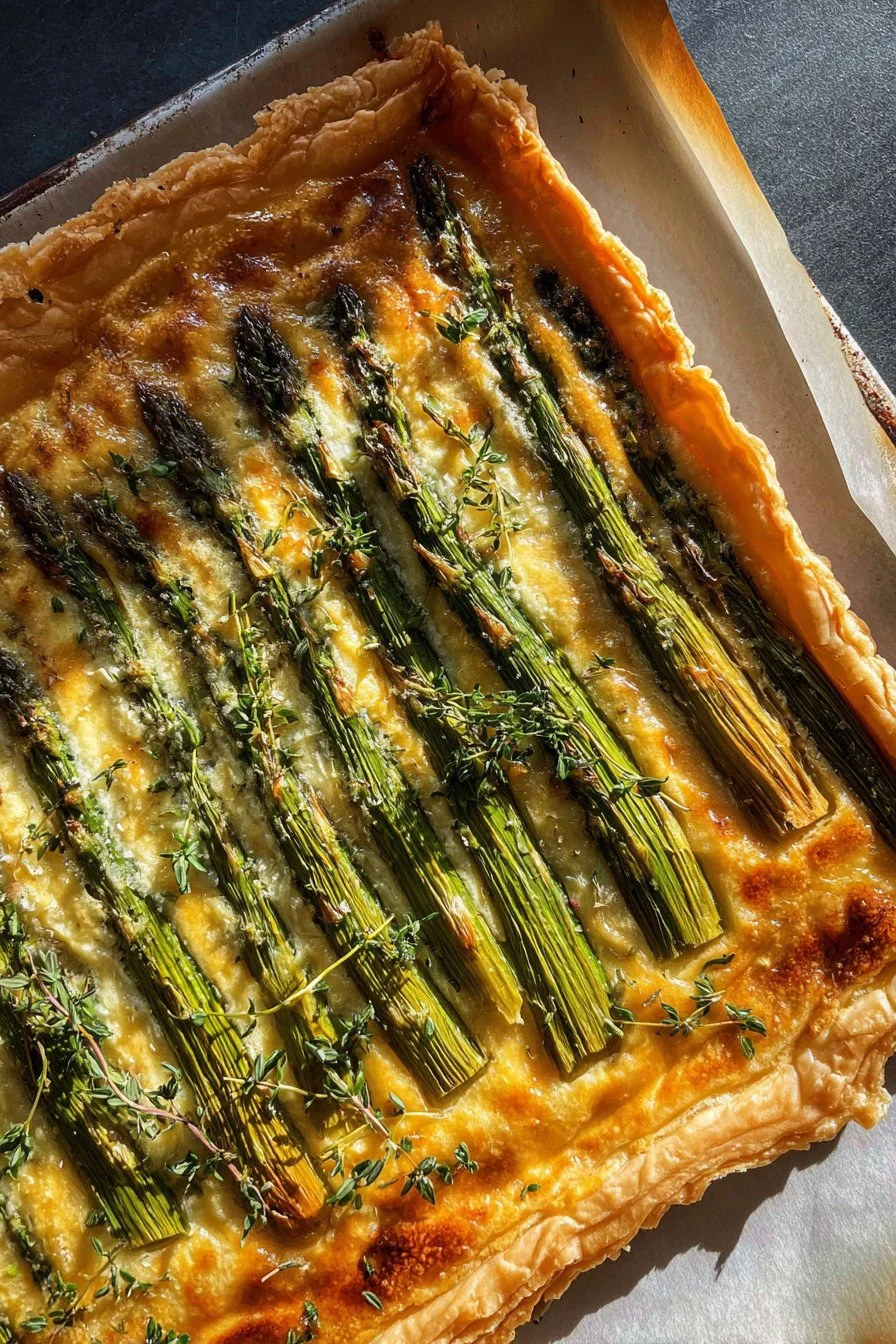
I still remember the first time I folded warm, bubbling fruit into a sheet of pastry and watched the oven work its magic; that buttery, flaky crunch felt almost electric. I love how simple techniques turn humble puff pastry into something joyful and bold — puff pastry is my go-to when I want a show-stopping bite with minimal fuss, and the bake time is short, with an easy prep that feels approachable for cooks of any skill.
This recipe is all about crisp, layered pastry hugging a flavorful filling — choose cheese, vegetables, or fruit for different moods. It’s perfect for casual brunches, quick appetizers, or sweet finishes; the texture is flaky, the edges are golden brown, and the aroma is buttery and warm. For a playful pairing, I sometimes nudge readers toward a contrasting treat like the mango strawberry sunset cupcakes when planning a full menu.
Why you’ll love this
- Fast to assemble with minimal equipment.
- Versatile: savory or sweet in one method.
- Make-ahead friendly and freezer-ready.
- Small batches or large platters work equally well.
- Low cleanup: one baking sheet and a brush.
"Flaky, buttery, and unexpectedly delightful every time."
How this recipe comes together
You preheat, roll, cut, fill, fold, brush if you like, then bake until the pastry puffs and turns golden brown. The whole process is straightforward and lets the filling shine, whether it’s melty cheese, roasted vegetables, or warm fruit that caramelizes slightly in the oven. Image cue: First step
What you’ll need
- puff pastry
- fillings (cheese, vegetables, or fruit)
- egg wash (optional)
Ingredient notes & swaps
- Puff pastry provides the layered, flaky texture; thaw it gently before rolling.
- Fillings give the flavor: cheese for savory richness, vegetables for a hearty bite, fruit for bright sweetness.
- Egg wash is optional; it boosts color and shine.
- Allergen note: puff pastry and egg wash may include dairy and eggs; cheese is a dairy allergen. Keep that in mind for guests.
Step-by-step instructions
A quick summary: preheat the oven, roll the pastry on a floured surface, cut into shapes, add fillings, fold and seal, brush with egg wash if desired, then bake until golden and letting cool briefly before serving.
- Preheat the oven to 400°F (200°C).
- Roll out the puff pastry on a floured surface.
- Cut the pastry into squares or desired shapes.
- Place your chosen filling in the center of each piece.
- Fold the pastry over the filling and seal the edges.
- Brush the tops with egg wash if desired.
- Bake for 15-20 minutes or until golden brown.
- Allow to cool slightly before serving.
Pro Tip: For crisper edges, press the folds firmly with the tines of a fork and make sure excess moisture is drained from fillings before sealing.
Visual doneness cues
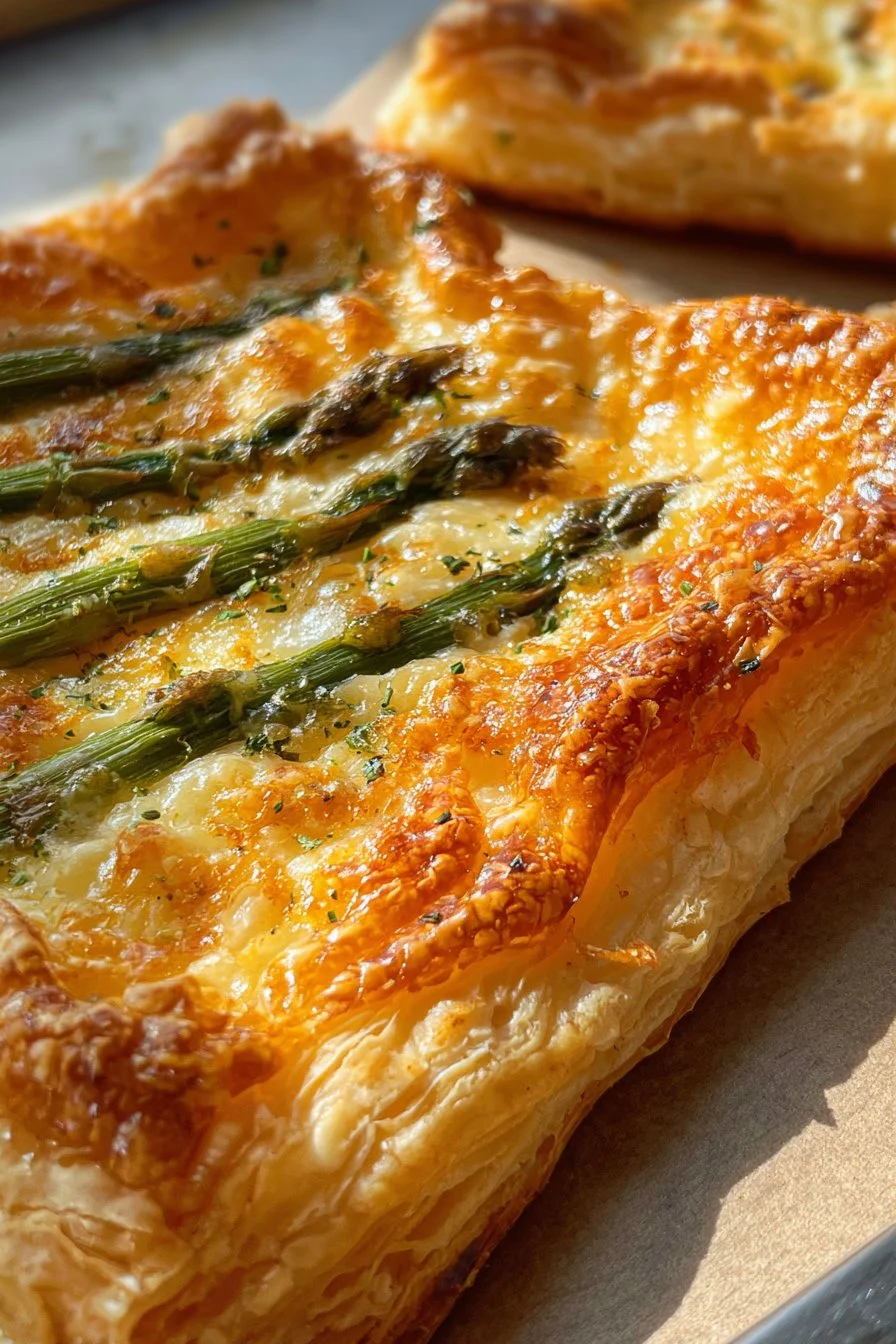
- Look for an even, golden brown color across tops and edges.
- Smell a warm, toasty, buttery aroma and feel the tops; they should be crisp to the touch and slightly puffed.
Helpful cooking tips
- Keep the pastry cold until just before rolling so the layers stay defined.
- Work quickly when handling puff pastry; warmth softens the butter layers.
- Pat or drain wet fillings like juicy fruit or cooked vegetables to prevent sogginess.
- Use a light flour dusting under the pastry to stop sticking without overflouring.
- If you want an extra-sealed edge, twist the fold lightly and crimp with a fork.
Serving suggestions
These little pastries shine warm or at room temperature. For savory cheese or vegetable fillings, serve them alongside a crisp green salad or simple pickles to cut richness. For fruit-filled pastries, a dusting of sugar or a scoop of a cold accompaniment complements the warm, jammy interior. Plate on a simple board or arranged on a white platter for contrast.
Storage & reheating tips
Cool the pastries to room temperature before storing. In the fridge, keep them in an airtight container separated by parchment to preserve crispness; in the freezer, flash-freeze on a tray first, then transfer to a sealed bag. Refrigerator-stored pastries revive best when reheated until crisp again. Refrigerate leftovers within 2 hours; reheat until steaming hot.
How to fix common issues
- Soggy centers: Likely excess moisture in the filling. Drain or pat dry fillings, or pre-cook vegetables to reduce wetness.
- Underpuffed pastry: Pastry was too warm or oven not fully preheated. Chill pieces briefly, then bake in a hot oven.
- Pale tops: You skipped the egg wash. Brushing with egg wash adds color and sheen.
- Filling leaks: Don’t overfill; leave a border and press edges firmly to seal.
- Overbrowned edges but raw center: Oven hot spots or thickness variation; rotate the baking sheet halfway through and trim thick seams.
Recipe variations
- Savory cheese pockets: Use grated or sliced cheese as the filling for a melty interior.
- Vegetable parcels: Pre-cooked, seasoned vegetables create a hearty, savory choice.
- Fruit turnovers: Use firm fruit pieces or compote-like fillings for sweet, jammy centers.
- Optional: Add a sprinkle of sugar or a pinch of spice to fruit fillings for extra depth (optional additions).
Common questions
Q: Can I use frozen puff pastry straight from the freezer?
A: Puff pastry should be thawed before rolling; working with fully frozen sheets risks cracking and uneven layers. Thaw until pliable but still cool to maintain the butter layers that create flakiness.
Q: Is egg wash necessary?
A: No, egg wash is optional. It gives a glossy, deeper color to tops; if you skip it, the pastries will still bake and crisp, though the finish will be duller.
Q: How much filling should I use per piece?
A: Avoid overfilling; a modest spoonful that leaves a border around the edges is ideal so the pastry seals and puffs effectively without leaking.
Q: Can I assemble pastries ahead of time?
A: Yes. You can assemble and chill them briefly before baking, or freeze them on a tray and bake from frozen after a short thaw. Keep them cold to preserve lift.
Q: What tools are most helpful?
A: A rolling pin, pastry brush, sharp knife or cutter, and a baking sheet are the basics. A bench scraper helps lift cut pieces cleanly.
Pro Tip: (repeated here for emphasis) Keep fillings relatively dry and the pastry cold to maximize lift and prevent sogginess.
Trust touch: I always drain cheeses and pat fruit or roasted vegetables dry before assembly to reduce steam and keep pastry crisp.
Conclusion
For another sweet puff pastry idea that highlights bright fruit and flaky layers, try this berry puff pastry recipe, which pairs beautifully with the techniques used here.
Puff Pastry Bites
Ingredients
Method
- Preheat the oven to 400°F (200°C).
- Roll out the puff pastry on a floured surface.
- Cut the pastry into squares or desired shapes.
- Place your chosen filling in the center of each piece.
- Fold the pastry over the filling and seal the edges.
- Brush the tops with egg wash if desired.
- Bake for 15-20 minutes or until golden brown.
- Allow to cool slightly before serving.